
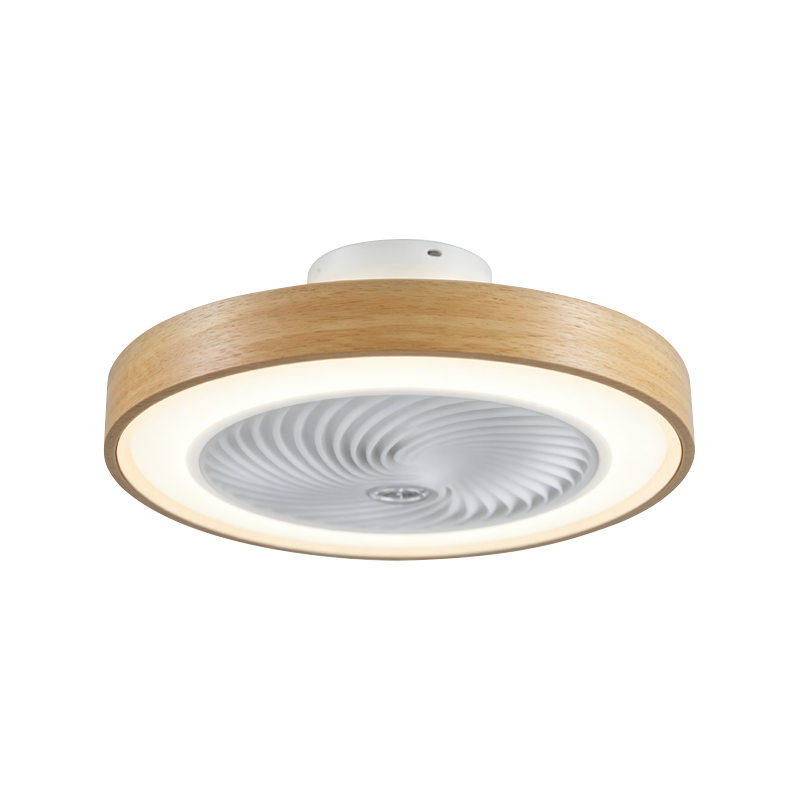
A ceiling fan light for bathroom use is not a bedroom fan with a different shade. The same motor that runs quietly for a decade in a dry bedroom can develop bearing noise and finish loss within months in a room that sits above 80 percent relative humidity. Three specifications decide whether it survives: the damp loc...
-
 Mon-Fri 8:30-17:30 / Sunday 9:00-17:00
-
[email protected]

Custom Quiet DC Motor Ceiling Fan Manufacturers
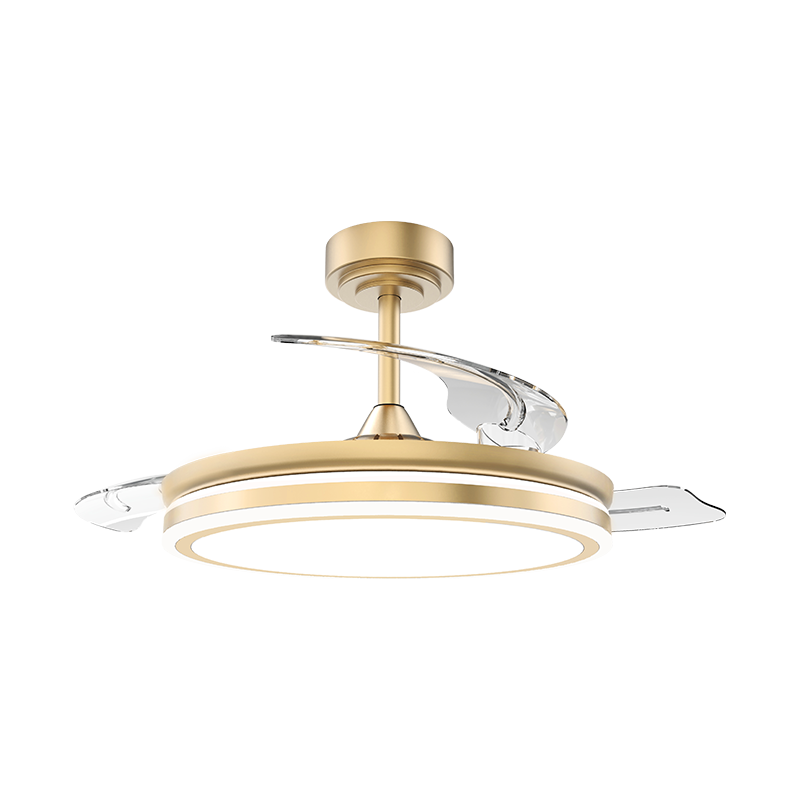
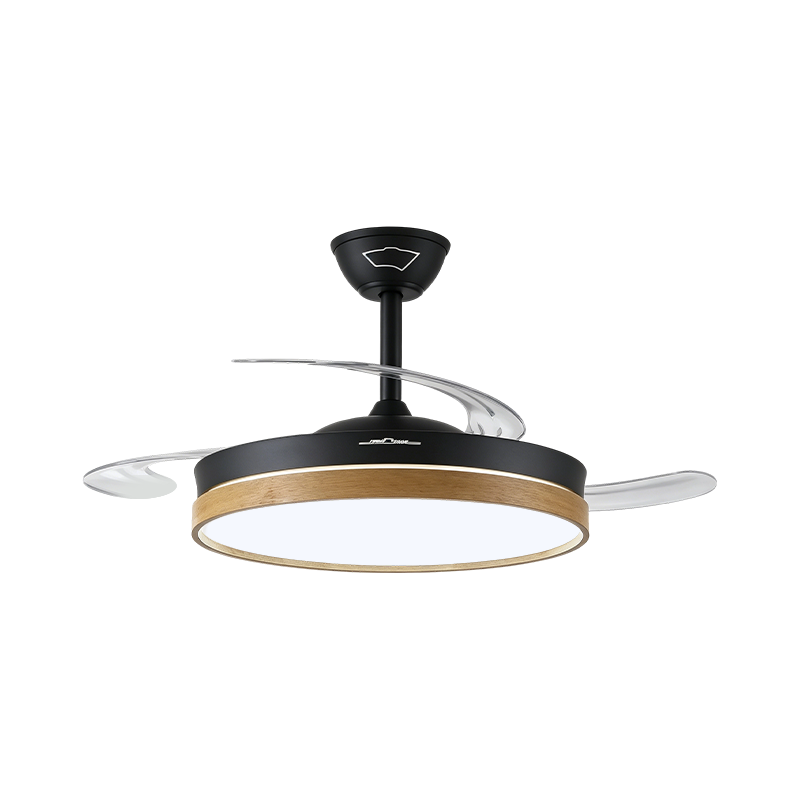
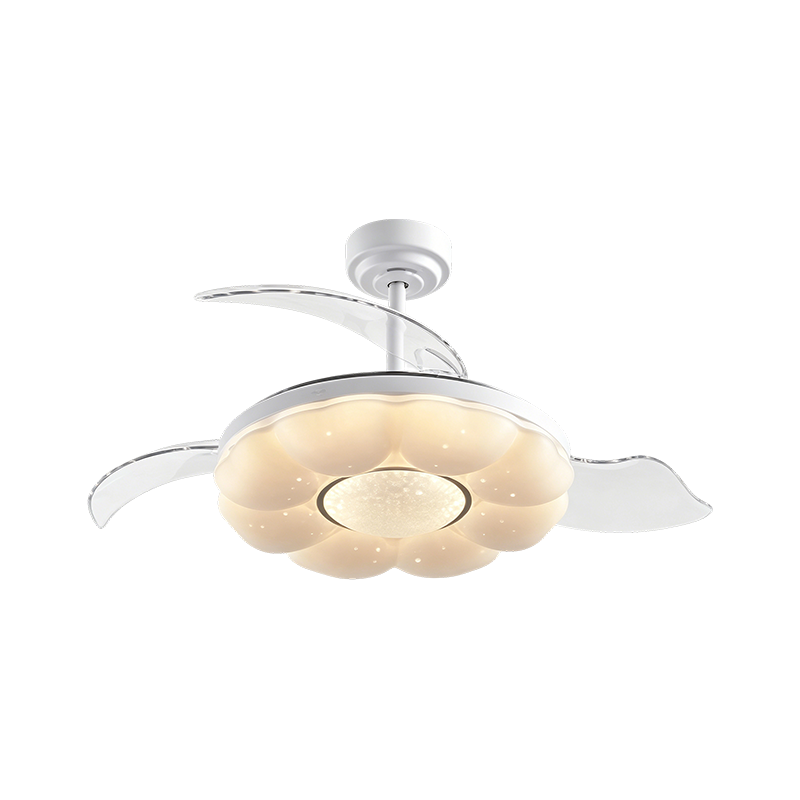
The invisible blade ceiling fan light is a smart home appliance that harmonizes minimalist aesthetics with flexible functionality. Its core innovation lies in the retractable blade design: when powered on, the blades expand via centrifugal force to deliver a refreshing, gentle natural breeze; when turned off, the blades automatically tuck away above the fixture, transforming the unit back into a sleek, sophisticated ceiling lamp.
Typically equipped with full-spectrum LED light sources, these units support stepless color temperature and brightness adjustments, perfectly catering to the atmospheric needs of 'petite bourgeoisie' or boutique spaces like bedrooms and dining areas. With its silent motor and low-resistance engineering, it creates a tranquil environment while achieving a seamless harmony between light, shadow, and physical comfort.
About
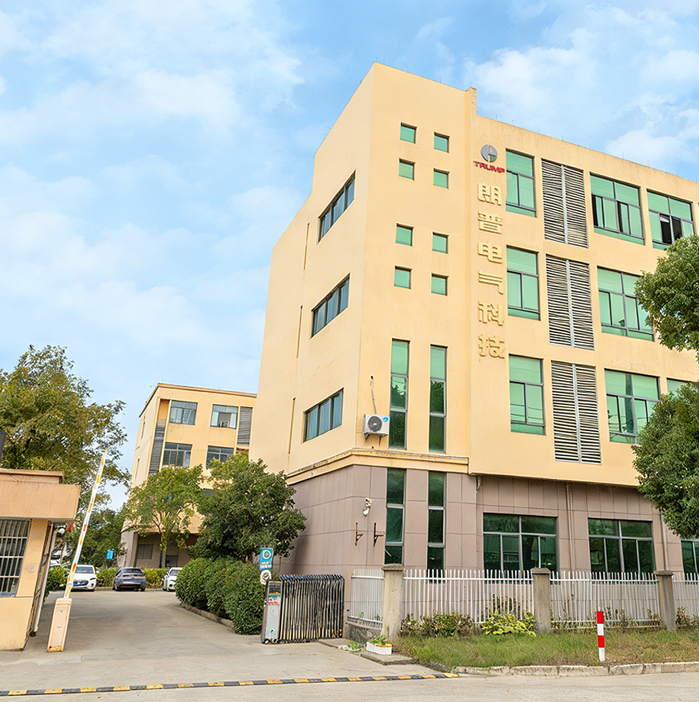
Zhejiang Langpu Electric Technology Co., Ltd.
Zhejiang Langpu Electric Technology Co., Ltd. is China Custom Modern Ceiling Fan With Invisible Blades and Remote Manufacturers and Quiet DC Motor Ceiling Fan Factory. Founded in 2020, Zhejiang Langpu Electric Technology Co., Ltd. is mainly engaged in the R&D, production and sales of intelligent power distribution systems, industrial sanitary lamps, lighting fixtures, intelligent bathroom mirrors and aluminum products, etc.
With safety as its core and efficiency and stability as its philosophy, the company adopts internationally advanced craftsmanship and designs and manufactures all products in strict compliance with international standards. Rooted in quality management, we have established a stringent R&D and quality control system, and have implemented and obtained the certifications of ISO9001 Quality Management System, ISO14001 Environmental Management System and ISO45001 Occupational Health and Safety Management System, fully aligning our product safety and quality with the world's advanced level.
As a technology-oriented enterprise, we allocate 10-15% of our sales revenue to R&D, master independent core technologies and sustainable R&D capabilities, and hold a number of invention patents.
Langpu Electric Technology can provide customers with comprehensive OEM and ODM services, and has built sound cooperative relationships with enterprises in the petrochemical, pharmaceutical machinery, food safety, precision electronics and other industries. We have set up numerous agents and offices across the country. Continuous technological innovation and strict quality requirements form our safety commitment to customers. We have always adhered to the tenet of efficiency, practicality, safety and stability, striving to make Langpu Electric Technology a professional and trustworthy manufacturer for all customers. We offer Invisible Fan Light for sale.
Certificate of Honor
News & Blogs
-
-
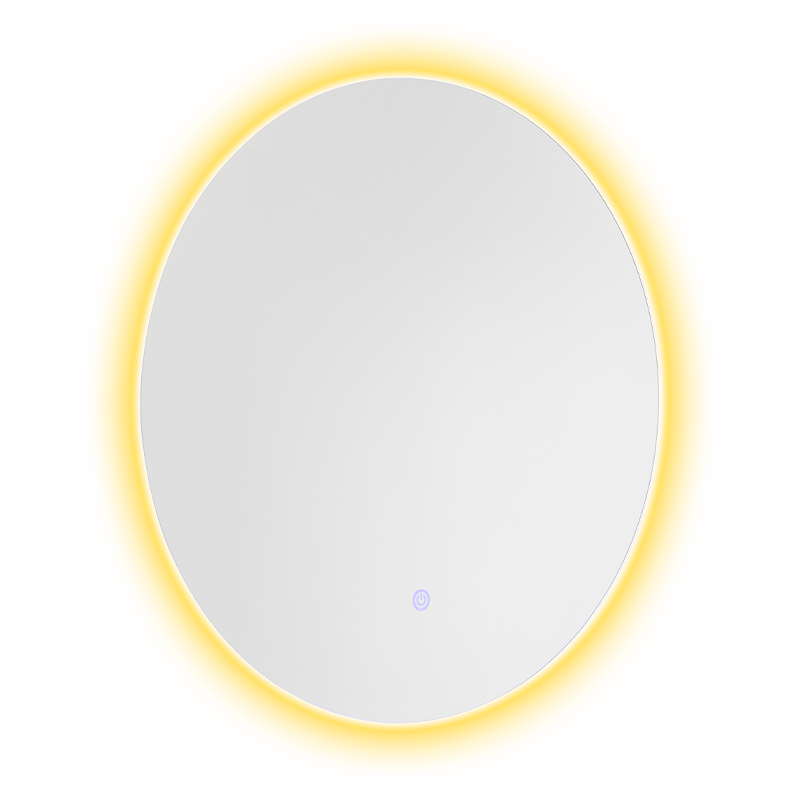
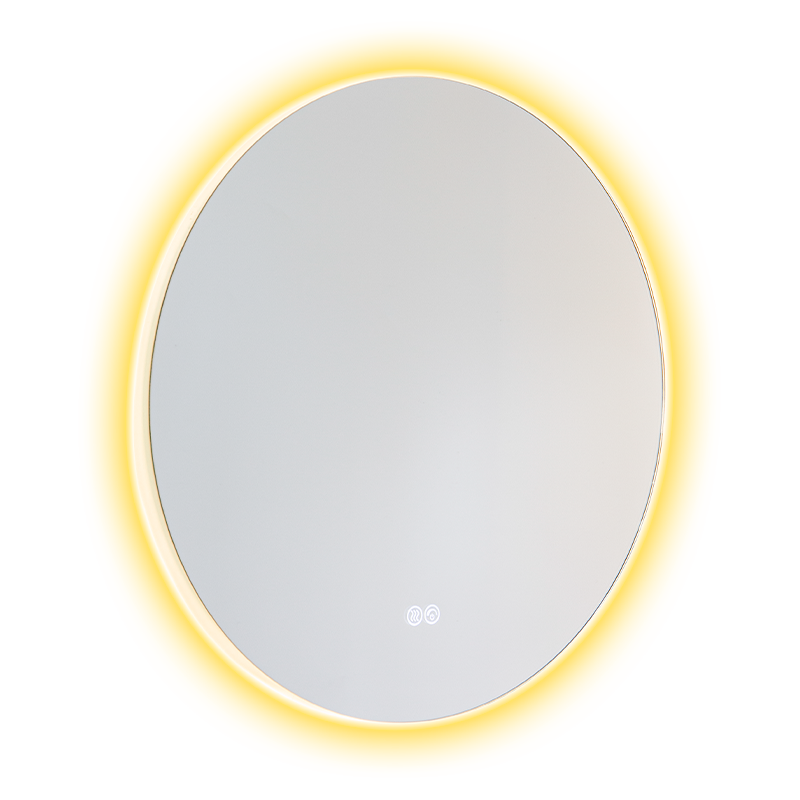
A bathroom mirror with backlight usually dies in one of two places: the LED driver goes dark after a few thousand hours, or water seeps behind the glass and corrodes the switch contacts. Both failures trace back to specs that were skipped at the ordering stage, not to a bad batch of glass. A bathroom mirror with back...
-
On a recent hotel renovation in Hangzhou, the spec sheet called for 32 backlit mirrors rated IP44, CRI 90+, and 4000K neutral white. The buyer rejected two factory samples before one supplier met all three conditions. The lesson is simple: in LED illuminated bathroom mirror sourcing, the real risk sits in performance...
Invisible Fan Light Industry knowledge
How Invisible Blade Technology Redefines Ceiling Fan Design
Traditional ceiling fans have long been defined by their visible, rotating blades — functional, but visually dominant. The emergence of invisible fan light design marks a fundamental shift in how airflow and aesthetics are balanced. In these systems, ultra-thin blades are engineered to retract into the fan body or are constructed from transparent or translucent materials, making them effectively disappear at rest. This is not a cosmetic trick but a product of precision manufacturing: blade profiles are optimized for maximum aerodynamic efficiency at minimum visual mass.
The engineering behind invisible blade systems involves tight tolerances in both the blade mounting hardware and the retraction mechanism. When deployed, the blades must achieve near-perfect balance to prevent vibration — a challenge that becomes more demanding as blade thickness decreases. Even a 0.5mm imbalance across opposing blades can generate measurable noise at high RPM, which is why blade pairing and dynamic balancing are critical steps in production quality control.
At Zhejiang Langpu Electric Technology Co., Ltd., this engineering discipline is embedded in the product development process — with 10–15% of sales revenue reinvested into R&D to continuously refine structural precision and blade performance.
DC Motor Performance: Why It Matters for Quiet, Long-Term Operation
The motor type is arguably the single most important variable in ceiling fan performance. AC motors, while widely used, rely on alternating current that introduces inherent speed limitations and generates more heat per unit of output. Quiet DC motor ceiling fan technology operates on direct current converted internally by the motor controller, which enables continuously variable speed adjustment, significantly reduced energy draw, and a much lower noise floor during operation.
DC brushless motors used in quality ceiling fans typically consume 50–70% less electricity than equivalent AC motor models. This efficiency advantage compounds over time: in commercial or hospitality environments where fans run 10–16 hours daily, the energy savings and reduced thermal stress translate directly into extended motor lifespan — often exceeding 30,000 operating hours under normal conditions.
Noise reduction in DC systems stems from two factors: the smoother torque delivery of brushless commutation, and the elimination of the audible hum associated with AC motor poles. For bedroom or open-plan living installations, this distinction is practically significant — a well-made DC ceiling fan should be inaudible at speeds 1 through 3 in a quiet room.
| Feature | AC Motor Fan | DC Motor Fan |
|---|---|---|
| Energy Consumption | Higher (baseline) | 50–70% lower |
| Speed Settings | 3–5 fixed steps | 6–10+ variable steps |
| Noise Level | Audible hum common | Near-silent at low speeds |
| Estimated Lifespan | ~15,000 hours | 30,000+ hours |
Remote and Smart Control Integration: What Buyers Should Evaluate
Remote control functionality in ceiling fans has expanded considerably beyond simple on/off switching. A modern ceiling fan with invisible blades and remote typically integrates RF (radio frequency) or IR (infrared) control systems, with RF being the preferred standard for reliable operation through walls and at longer distances. RF remotes generally maintain stable communication up to 30 meters without line-of-sight requirements, while IR systems require direct pointing and are susceptible to interference.
Higher-specification models support integration with smart home ecosystems via Wi-Fi or Zigbee modules, enabling control through platforms such as Amazon Alexa, Google Home, or proprietary apps. When evaluating smart ceiling fan compatibility, buyers should confirm three technical parameters:
- Communication protocol (Wi-Fi 2.4GHz, Zigbee 3.0, or Bluetooth Mesh)
- Neutral wire requirement at the ceiling junction box
- OTA (over-the-air) firmware update support for long-term compatibility
Lighting control integration is equally important. Quality fan-light combinations allow independent dimming of the light source — typically across a 10–100% range — while maintaining stable fan speed. This requires careful electrical separation in the circuit board design to prevent dimmer interference from affecting motor control signals. Companies holding independent core technology patents, like Langpu Electric Technology, typically address this through proprietary driver circuit designs rather than off-the-shelf components.
Installation Considerations and Ceiling Compatibility
Ceiling fan installation involves variables that are often underestimated during the selection process. Ceiling height is the primary constraint: a minimum clearance of 2.1 meters from floor to blade is required for safe operation under most international residential standards. For standard 2.4–2.7 meter ceilings, flush-mount (hugger) configurations are appropriate; for higher ceilings, a downrod of calculated length is required to position the fan within the optimal airflow zone — typically 25–30 cm below the ceiling surface.
Structural mounting is equally critical. Ceiling fans must be secured to an approved fan-rated electrical box capable of supporting dynamic loads — standard lighting boxes are not rated for the rotational forces generated during operation and can fail over time. For concrete or steel beam ceilings common in commercial or industrial construction, specific anchor hardware and vibration-damping mounts should be used to prevent harmonic resonance from transmitting through the structure.
For B2B procurement teams specifying ceiling fans across multiple installations, wiring standardization and canopy compatibility across product SKUs should be confirmed with the manufacturer early in the process. Zhejiang Langpu Electric Technology Co., Ltd. supports OEM and ODM configurations, which allows project-specific mounting systems and wiring arrangements to be incorporated at the production stage — reducing on-site modification costs and installation time.
-
+86-13867339322
-
Building 2, No. 128 Dongxin Road, Tianning Town, Jiashan County, Jiaxing City, Zhejiang Province
-
-
Links
Home About Products FAQ News Contact -
Prducts
Smart LED Mirror Light Bathroom Mirror Cabinet Fan Light -
Get A Quote
-
QRCODE
Copyright © 2025 Zhejiang Langpu Electric Technology Co., Ltd. All Rights Reserved.
Custom Invisible Fan Light Factory
