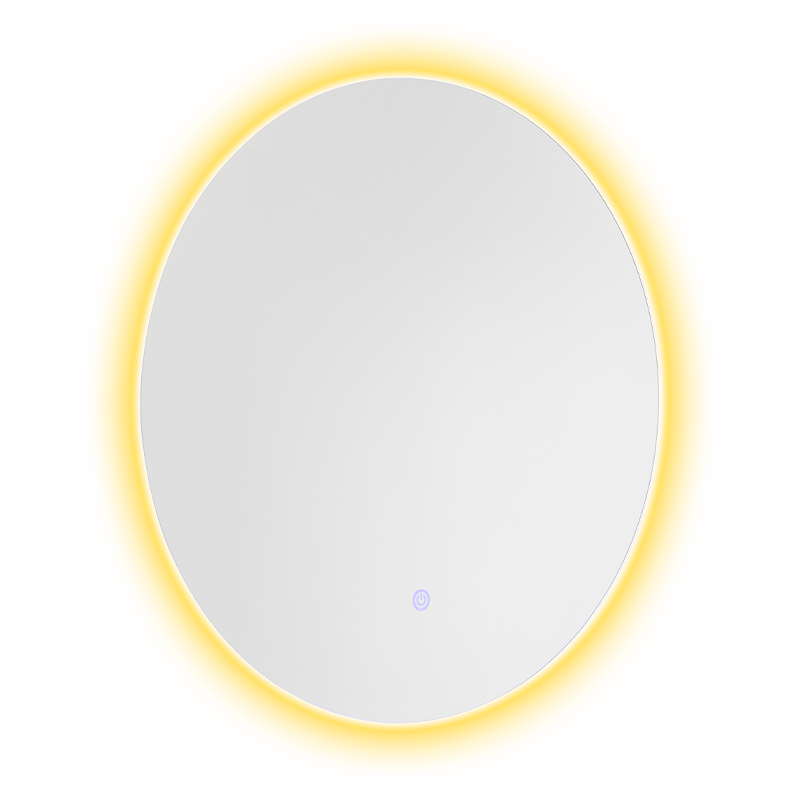
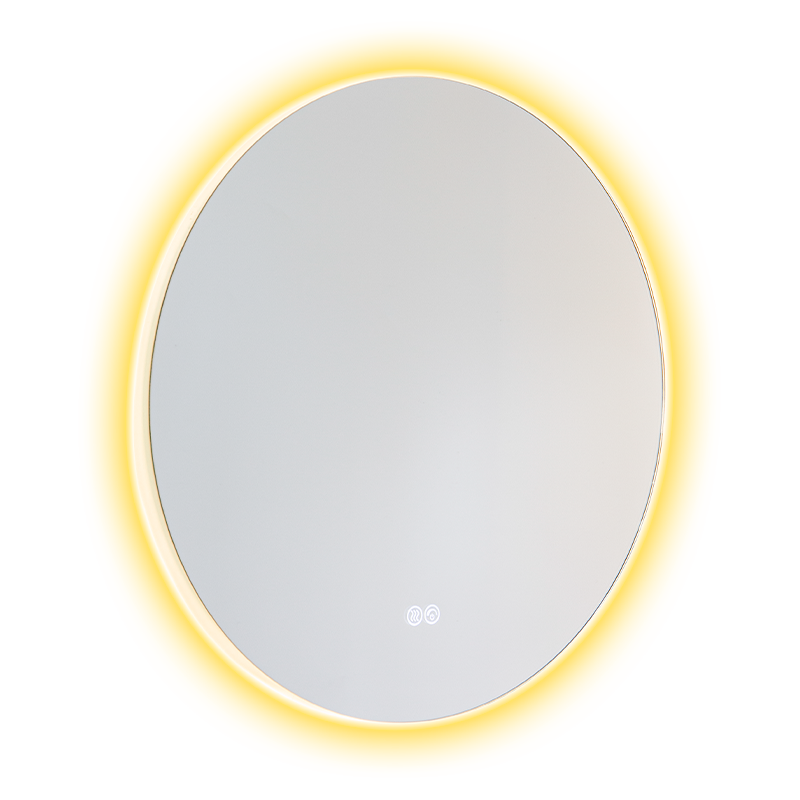
As smart homes increasingly permeate daily life, mirrors, seemingly traditional objects, are undergoing a quiet upgrade. The emergence of Smart LED Makeup Mirrors transforms the everyday act of looking in the mirror into a more precise, efficient, and even experiential lifestyle. It not only changes the details of makeup and skincare but also gradually influences people's understanding of spatial aesthetics and quality of life.
When Light is No Longer Just Illumination, but a Precise Makeup Tool
Many people have experienced this: makeup applied under bedroom lighting appears noticeably different outdoors. The core of this problem lies in the insufficient color rendering of the light source.
The key value of Smart LED Makeup Mirrors lies in using high color rendering index (CRI) LED light sources to realistically present facial details in an environment close to natural light. In particular, light source technology with a CRI of 90 or higher allows for more accurate layering of skin tone, foundation, and contouring. For those who require meticulous daily makeup, this change is not a minor optimization but a qualitative leap in experience.
More importantly, this light isn't static; it can be adjusted based on time, environment, and even personal habits, ensuring users are always in a "controllable lighting environment" throughout their makeup routine.
Intelligent experiences are transforming mirrors into everyday life entry points
If high-quality light sources solve the problem of "seeing clearly," then intelligent functions solve the problem of "using smoothly."
Modern Smart LED Makeup Mirrors are no longer just simple lighting tools; they are integrating into more life scenarios. For example, Bluetooth speaker functionality makes makeup time less monotonous, with music or podcasts becoming part of the daily ritual; time and weather displays make morning preparations more efficient, eliminating the need to frequently check your phone.
Touch-sensitive brightness and color temperature adjustments also make operation intuitive, requiring no complex learning curve. Some products also incorporate anti-fog and memory functions, allowing the mirror to adapt to complex environments like bathrooms while remembering user preferences. These details collectively create a smoother user experience.
The manufacturing logic behind smart mirrors: not just design, but systemic capabilities
A high-quality smart LED makeup mirror is not just about beautiful design or rich features; it relies more on a stable and reliable manufacturing system.
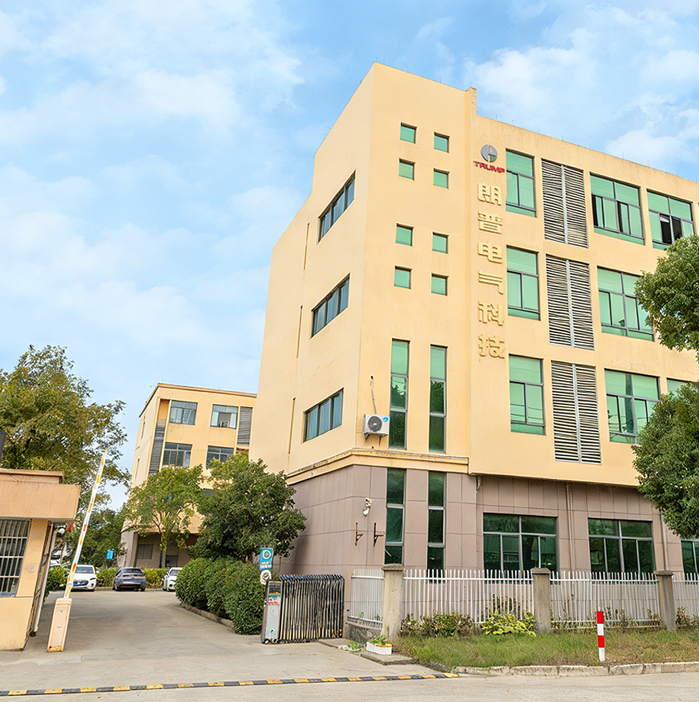
Zhejiang Langpu Electric Technology Co., Ltd. is one such company that has been deeply involved in this field. Founded in 2020, the company focuses on the research and development and production of intelligent power distribution systems, industrial lighting, lamps, smart bathroom mirrors, and aluminum products. It has also developed mature manufacturing capabilities in the field of smart LED makeup mirrors.
As a Chinese manufacturer of customized LED makeup mirrors with a CRI of 90 or higher, and a professional factory for smart LED mirrors (with Bluetooth speakers and clock functions), the company always emphasizes the importance of safety and stability in product development. All products are designed and manufactured according to international standards and have passed ISO9001 quality management system certification, ISO14001 environmental management system certification, and ISO45001 occupational health and safety management system certification.
These systems are not simply certification labels, but rather control logic that runs through the entire process from R&D and production to delivery, ensuring that every mirror maintains consistent performance in terms of light source stability, electrical safety, and long-term reliability.
From Functional Product to Part of Spatial Experience
With the deepening of intelligentization, the role of Smart LED Makeup Mirrors is also changing. It is no longer just a functional device in the bedroom or bathroom, but is gradually becoming an integral part of spatial design.
In the home, it enhances the comfort of daily skincare and makeup routines; in hotels and guesthouses, it elevates the technological feel and quality of the space; in beauty salons, it becomes part of the professional service experience. The mirror itself is shifting from a "tool" to an "experience medium."
Behind this transformation lies the increasing demands of users for a higher quality of life. People are no longer satisfied with simply "being usable," but rather with "being easy to use and comfortable."
Will future mirrors better understand users?
Judging from current development trends, smart LED makeup mirrors continue to evolve. More precise light source control, more natural human-computer interaction, and stronger spatial integration capabilities are all being explored.
For manufacturers, this is not just a matter of product upgrades, but a competition of systemic capabilities. Finding a balance between safety standards, optical design, and intelligent functions will determine whether a product can truly enter high-end lifestyle scenarios.
The continued investment of Zhejiang Langpu Electric Technology Co., Ltd. in this direction also reflects that the industry is moving from competition based solely on hardware to competition based on systemic and standardized capabilities.
FAQ
Are Smart LED Makeup Mirrors suitable for everyone?
They are suitable for most daily skincare and makeup users, especially those who require precise makeup application. They are also suitable for hotels, beauty salons, and similar settings.
Will high color rendering LEDs really affect makeup results?
Yes. High color rendering light sources can more realistically reproduce skin tone and makeup colors, reducing visual differences between indoor and outdoor environments.
Will smart features increase the complexity of use?
No. Mainstream products tend to be designed for simplicity and intuitiveness, with most operations completed via touch or basic buttons.
How to judge the quality of a smart LED makeup mirror?
Focus on the light source's color rendering capability, structural stability, and whether it has a comprehensive quality certification system.