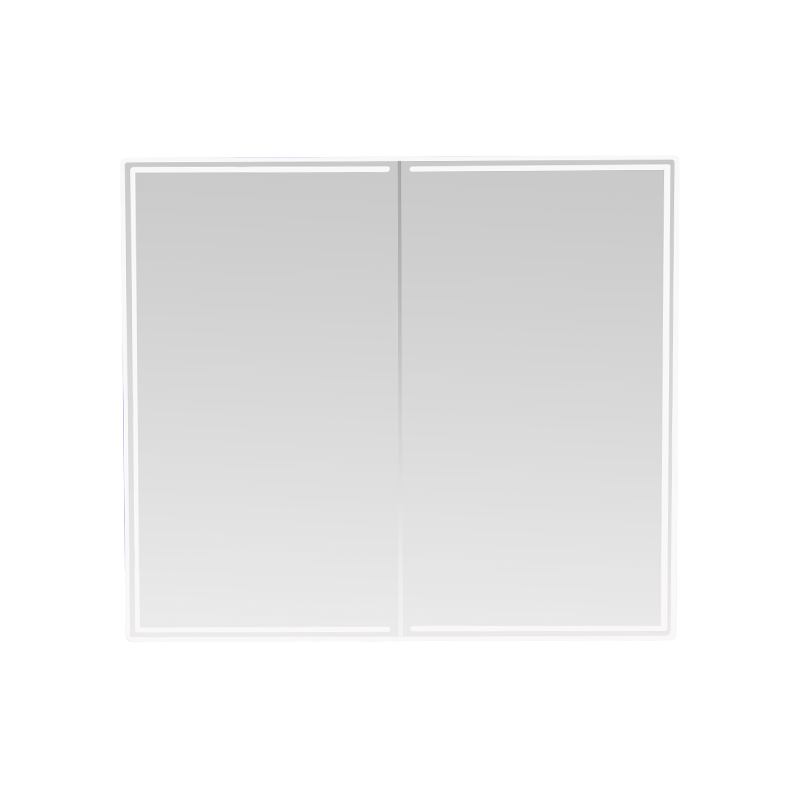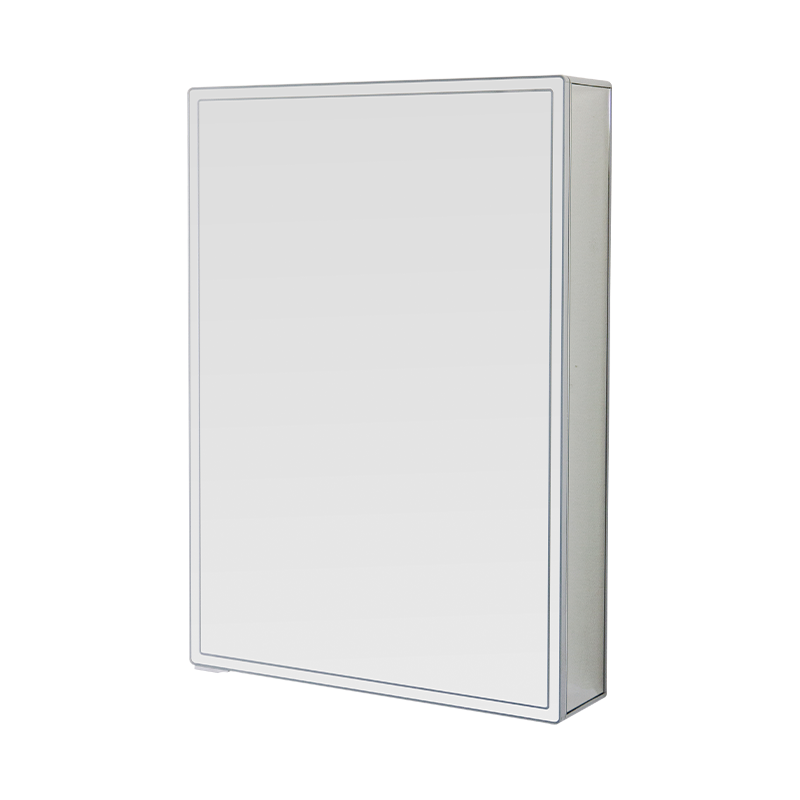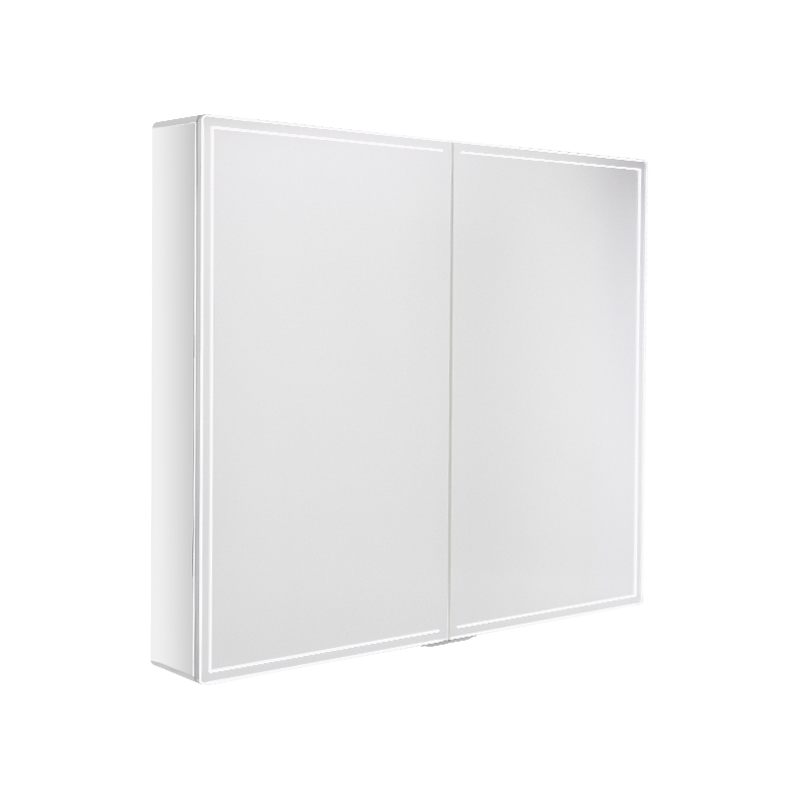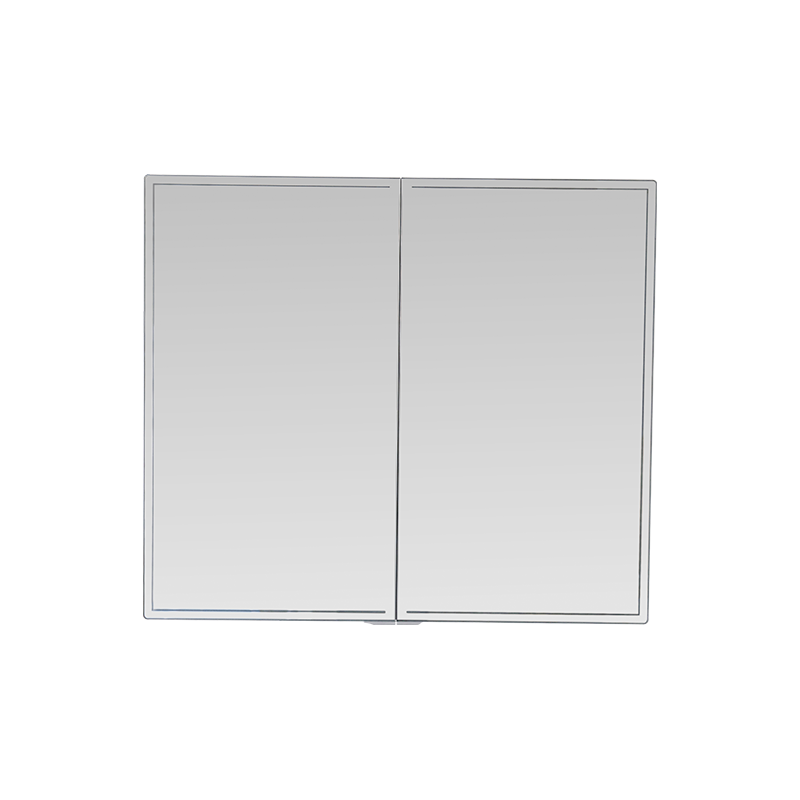

Mechanical and Physical Property Requirements of Wall Mounted Cabinet
- Tensile Strength Analysis: Materials should meet a minimum tensile strength of 50 MPa for medium-size cabinets and 75 MPa for large cabinets to prevent deformation under load.
- Impact Resistance: Evaluate the material's ability to withstand 2–5 J impacts on the surface, especially for high-traffic bathroom installations.
- Moisture Absorption: Low water absorption (<0.5%) is critical to prevent swelling or warping in high-humidity environments.
- Surface Finish Uniformity: Surface roughness Ra ≤ 0.8 μm ensures smooth cleaning and reduces microbial accumulation.
Material Options and Compliance Standards
- Medium-Density Fiberboard (MDF): Commonly used, must comply with ISO 8335 formaldehyde emission standards.
- Plywood Laminates: ASTM D5456 compliant, high cross-lamination reduces delamination risk.
- Aluminum Alloy Panels: Aluminum 6063-T5 preferred, meets ASTM B221 mechanical property standards.
- Stainless Steel: Grade 304 for corrosion resistance in wet areas, Ra ≤ 0.8 μm, ISO 3506 certified.
Surface Finishes and Protective Coatings
- Powder Coating: Thickness 60–80 μm, adhesion ≥ 2B per ASTM D3359, improves chemical resistance.
- UV-Cured Lacquer: Provides scratch and moisture resistance, curing temperature ~180°C, film thickness 15–20 μm.
- Electroplating: Nickel or chrome plating on metal surfaces, hardness ≥ 500 HV, Ra ≤ 0.6 μm.
- Laminate Overlay: HPL sheets, thickness 0.8–1 mm, complies with EN 438 for durability and abrasion resistance.
Structural Design and Load Distribution
- Bracket and Mounting Points: Reinforced steel brackets recommended; anchor load ≥ 150 kg per mounting point.
- Weight Distribution Analysis: Ensure cabinet mass does not exceed material-specific load limits: MDF 40 kg/m², Plywood 50 kg/m², Aluminum 60 kg/m².
- Edge Protection: Use ABS or PVC edging to reduce chipping; thickness 2–3 mm.
Environmental and Hygienic Considerations
- Humidity Tolerance: Materials should withstand 80% RH for 72 hours without dimensional change >0.3%.
- Anti-Microbial Coatings: Optional, particularly in healthcare or bathroom settings, compliant with ISO 22196.
- Fire Retardancy: Comply with UL 94 V-0 for cabinet panels in commercial installations.
Material and Finish Comparison Table
The following table summarizes typical material and finish combinations for Wall Mounted Cabinets and their technical characteristics:
| Material | Typical Finish | Tensile Strength | Moisture Absorption | Load Capacity |
| MDF | UV Lacquer | 50 MPa | 0.3% | 40 kg/m² |
| Plywood | HPL Laminate | 55 MPa | 0.4% | 50 kg/m² |
| Aluminum Alloy 6063-T5 | Powder Coating | 75 MPa | 0.1% | 60 kg/m² |
| Stainless Steel 304 | Electroplated / Polished | 85 MPa | 0% | 65 kg/m² |
FAQ
- Q1: Which material provides the best combination of strength and moisture resistance for a Wall Mounted Cabinet?
A1: Aluminum Alloy 6063-T5 and Stainless Steel 304 offer the highest tensile strength and negligible moisture absorption, suitable for wet environments. - Q2: Can MDF cabinets be used in high-humidity bathrooms?
A2: Yes, if finished with a UV-cured lacquer or HPL laminate, MDF can meet moisture tolerance specifications. - Q3: What thickness of powder coating is recommended for aluminum cabinet panels?
A3: A coating thickness of 60–80 μm with adhesion ≥ 2B per ASTM D3359 is recommended. - Q4: How should mounting brackets be selected for heavy Wall Mounted Cabinets?
A4: Brackets should support ≥ 150 kg per anchor, preferably made of reinforced steel, with secure fasteners into load-bearing walls. - Q5: Are anti-microbial coatings necessary for all cabinets?
A5: They are optional but recommended in healthcare, kitchens, or bathrooms. Coatings should comply with ISO 22196 standards.
Technical References
- ISO 8335: Medium-density fibreboard – formaldehyde emission limits
- ASTM D5456: Evaluation of structural composite panels
- ISO 3506 / UL 94: Corrosion resistance and flammability standards