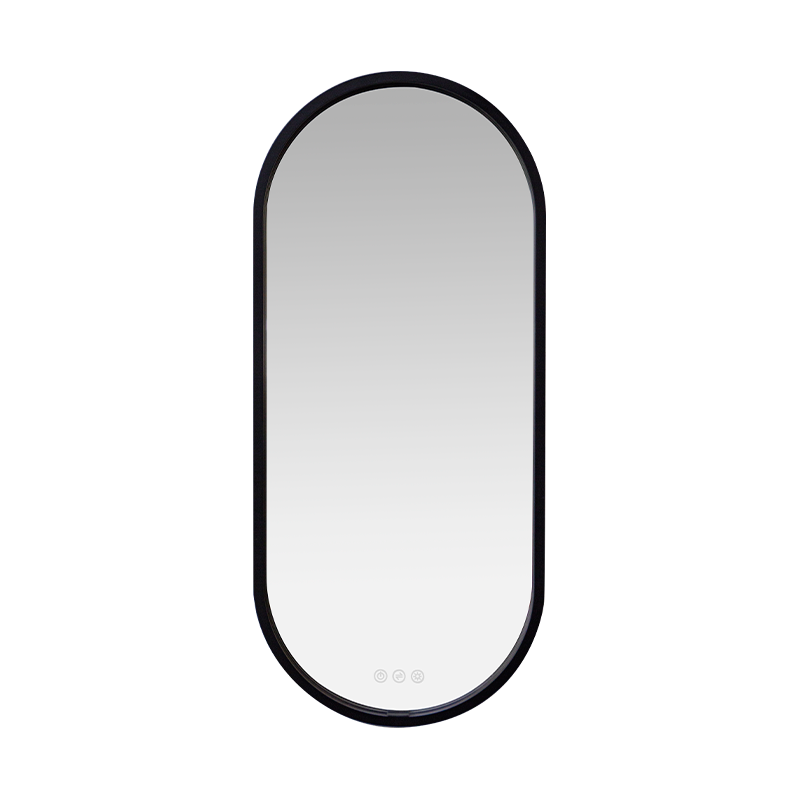

Ten minutes after the shower is turned off, the mirror is still covered in condensation. If you have been comparing bathroom mirrors that combine lighting with anti-fog capability, one fixture addresses both: an LED heated mirror. Zhejiang Langpu Electric Technology Co., Ltd. (Langpu Electric) builds these units with a low-wattage resistive heating element behind the glass and an integrated LED light source, so the mirror stays clear after a hot shower while providing even vanity illumination. The key is the combination: the LED handles light output, the heating pad handles humidity, and both are designed to perform together over a daily cycle of hot water, steam, and moisture.
An anti-fog LED mirror is a bathroom mirror that combines integrated LED lighting with a low-wattage resistive heating element behind the glass, designed to prevent condensation on the mirror surface.
How the heating function works and why it matters
The heating function is a resistive pad bonded to the rear of the mirror that raises the glass surface temperature above the bathroom's dew point, so water vapor cannot condense on the reflective surface. In a typical bathroom at 23 degrees Celsius and 85% relative humidity, the dew point sits at about 20 degrees Celsius. A 40W anti-fog pad on a 600 x 800mm mirror can push the glass surface past that threshold within two to three minutes, which means the mirror is clear by the time you are out of the shower and ready to shave.
The LED system is independent. Backlit mirrors project light from behind the perimeter, which is a softer, diffused glow that works well as a night light. Front-lit versions place the light source around the frame and cast a more direct beam onto your face. Both use the same LED driver, and both can be dimmed on the smart models. The heater pad is laminated between the mirror backing and a protective foam layer. This sandwich isolates the heat from the aluminum frame, which would otherwise conduct the heat away and leave the glass surface cooler in the center. A well-designed unit puts the pad over the full usable area of the mirror, not just the center strip, because fogging starts at the edges of the reflection first.
Separate systems, one switch
- The heating pad is usually wired to the same switch as the main bathroom light, so it activates with the lighting circuit.
- Touch-controlled models let you switch the heater and the LED separately, which saves energy when fogging is not a concern.
- Higher-end units include an anti-fog timer that switches the heater off automatically after 15 to 30 minutes.
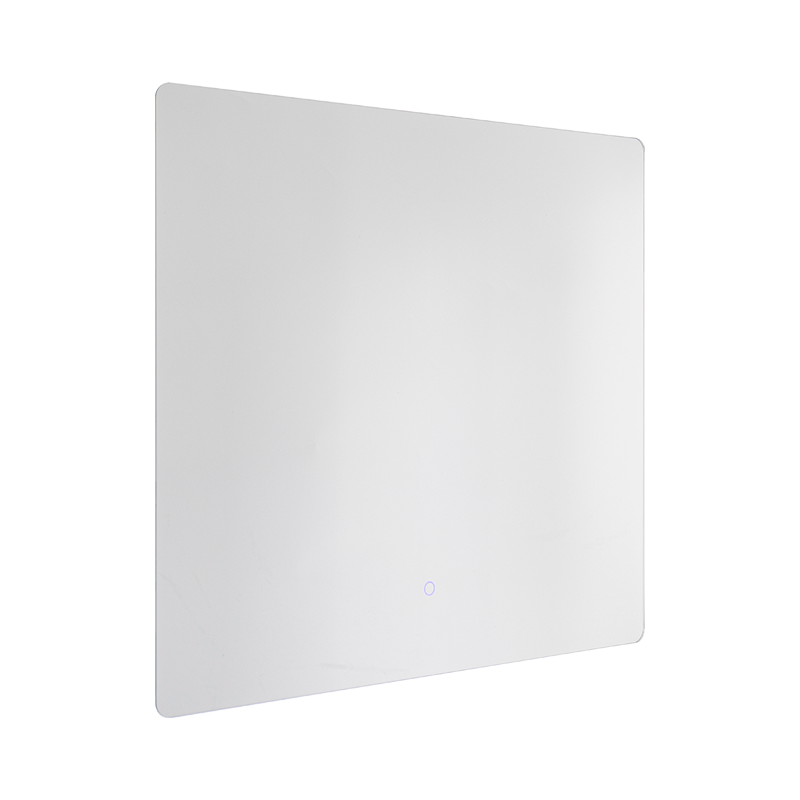 Smart LED Backlit Bathroom Mirror with Anti-Fog and DimmingThis smart backlit mirror combines LED lighting with a built-in heating pad to clear condensation quickly. It offers touch controls and uniform light for everyday grooming, making it a practical upgrade for any bathroom.View Product →
Five specifications that determine an LED heated mirror's value
Check the IP rating, heater wattage, CRI, color temperature, and glass treatment before you buy; these five values decide whether the mirror will perform safely and look good for a decade. Choose a mirror that is certified for wet locations and has a CRI of 90 or above if it will be used for shaving or makeup application.
IP rating matters because condensation is inevitable in a bathroom. The electrical connections and the LED driver inside a mirror without proper sealing will suffer corrosion within a couple of years. The wattage of the heating pad is the second value; a higher wattage clears fog faster but requires a dedicated circuit if you choose a model over 50W. CRI is the color rendering index, and it tells you how accurately light shows the color of skin. A CRI below 80 makes skin look washed out, which is the biggest complaint from makeup users. Color temperature is a personal choice, but 4000K is the sweet spot for most vanities. Glass treatment refers to the backing on the mirror; aluminum-backed mirrors are more resistant to moisture than traditional copper-backed mirrors.
| Specification | Typical value | Why it matters |
| IP rating | IP44 minimum, IP65 for splash zones | Protects against condensation and splash water |
| Heater wattage | 20W to 50W | Higher wattage clears fog faster and draws more current |
| CRI | 80+ general, 90+ for makeup | Lower CRI distorts skin tones under the mirror light |
| Color temperature | 3000K to 6000K | Warm light feels softer; neutral light shows color accurately |
| Glass treatment | Aluminum or copper-free silver backing | Copper-free silver resists moisture corrosion over time |
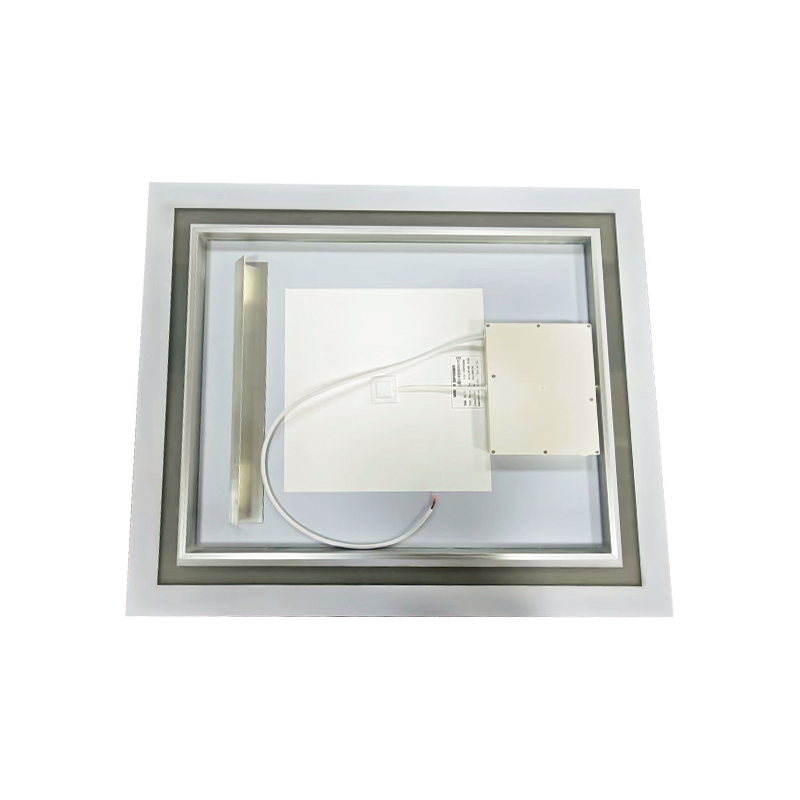 Aluminum-Framed LED Mirror with Smart Dimming and DefoggingWith a narrow aluminum frame and adjustable backlit lighting, this mirror provides even illumination and effective anti-fog performance. Its moisture-resistant construction suits humid bathroom environments and modern interiors.View Product →
For a project buyer, these values are also cost drivers. A mirror with a higher IP rating, a larger heating pad, and a high-CRI LED driver will always cost more per unit, but the added cost is small compared to a full replacement after two years of moisture damage. When comparing quotes, ask for the exact wattage, IP rating, and LED manufacturer rather than relying on surface descriptions.
Defogging performance: what to expect from the heater
Defogging time depends on heater wattage, mirror size, and ambient humidity; a 40W pad on a standard vanity mirror clears in two to three minutes under typical residential conditions. The chart below shows typical reference values for a 600 x 800mm mirror in a bathroom at 23 degrees Celsius and 85% relative humidity.
The takeaway is simple: if the mirror is larger than 600 x 800mm or the bathroom has heavy steam, specify a 40W or 50W pad to keep the surface clear quickly. In a family bathroom, the mirror is often 600 x 900mm or even 750 x 950mm, and the steam from a long shower can keep the surface fogged even after the heater has been running. Climate also plays a role. In colder climates, the bathroom wall temperature is lower, so the mirror surface starts near the wall temperature. A 40W pad may take an extra minute to reach the dew point. Choosing a 50W pad gives you margin on the coldest winter mornings.
- 20W: clears in about 5 minutes; suited to small mirrors in dry bathrooms.
- 30W: clears in about 3.5 minutes; the most common choice for residential vanities.
- 40W: clears in about 2.5 minutes; responsive for daily use.
- 50W: clears in about 2 minutes; best for large mirrors and heavy steam.
How to choose the right size and mounting for your renovation
Match the mirror width to the vanity width, allow clearances from shower splash zones, and verify the wiring point before you select a product. The size is the first decision, because it drives the heater wattage and the LED light output. A typical single vanity in a residential bathroom takes a 600 x 800mm mirror. A large double vanity may need a 1200 x 800mm unit or two separate mirrors.
- Mirror width: choose a mirror 50-100mm wider than the vanity for visual balance, or the same width for a flush-built look.
- Height: center the mirror between 1400mm and 1600mm from the floor, depending on the average user height.
- Splash zone: keep the mirror at least 600mm from the shower head outlet; if it has to be closer, specify an IP65-rated unit.
- Wiring: connect the heater and LED driver to a switched circuit protected by a residual current device (RCD).
- Project buying: standard sizes such as 500 x 700mm and 600 x 800mm reduce lead time and unit cost for renovation projects.
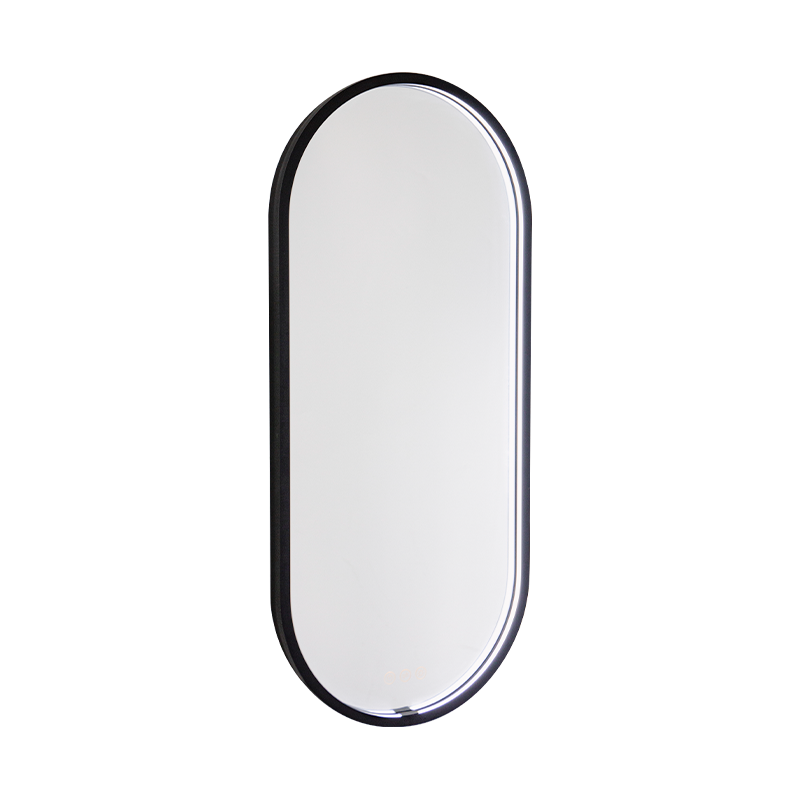 Frosted LED Bathroom Mirror with Smart Dimming and DefogThis frosted illuminated mirror emits soft, shadow-reducing light and includes a heating film to prevent fogging. Ideal for grooming and makeup, it combines functional lighting with a minimal design for contemporary bathrooms.View Product →
For hotel or multi-bathroom projects, spec the same mirror size across all units to cut installation time and stock replacement parts. A sealed aluminum frame is the most durable choice for shared bathrooms with high humidity. Foam gasket and silicone sealant around the back panel are the two details to ask the manufacturer about before placing an order.
Maintenance, lifespan, and durability in wet environments
An LED mirror with defogging runs for years in a wet bathroom when the frame seals correctly, the LED driver is rated for damp locations, and the heating element is thermally insulated from the frame. The most common failure mode is not the heater; it is water ingress around the back panel, which causes the LED driver to fail or the edge coating to peel. Inspect the seal around the back panel once a year, especially in bathrooms with frequent heavy shower use.
- LED module: 50,000 hours of typical lifetime, which means more than 20 years of normal daily use.
- Heating element: commonly rated for 10,000 or more on-off cycles before the pad degrades.
- Cleaning: use a soft cloth and a mild glass cleaner; avoid ammonia on aluminum-backed mirrors because it attacks the reflective coating.
- Warranty: most manufacturers offer a two- to three-year warranty on the LED driver and heating pad, so confirm the terms in writing before a bulk order.
At 30 minutes of use per day, a 50W heater and 12W LED module draw about 0.03kWh daily, roughly one kilowatt-hour per month.
Frequently asked questions about anti-fog LED mirrors
Do anti-fog LED mirrors use a lot of electricity?
No. A 40W heater plus a 12W LED module draws about 52W at full power. At 30 minutes of daily use, that works out to roughly 0.026kWh per day, under one kilowatt-hour per month.
Can I install a heated LED mirror myself?
The wall mounting can be done by a capable DIYer, but the electrical connection should be handled by a qualified electrician to comply with local wiring rules for bathroom zones and RCD protection.
Is the anti-fog function always on?
In most models the heating circuit is wired to the main light switch, so it runs whenever the light is on. Some mirrors include a separate touch control or an automatic humidity sensor for independent operation.
What happens if the heating element fails?
The mirror still lights up and reflects normally, but it will fog after hot showers. The heating pad is bonded to the back and is not serviceable separately, so the unit would need to be replaced or repaired by the manufacturer.