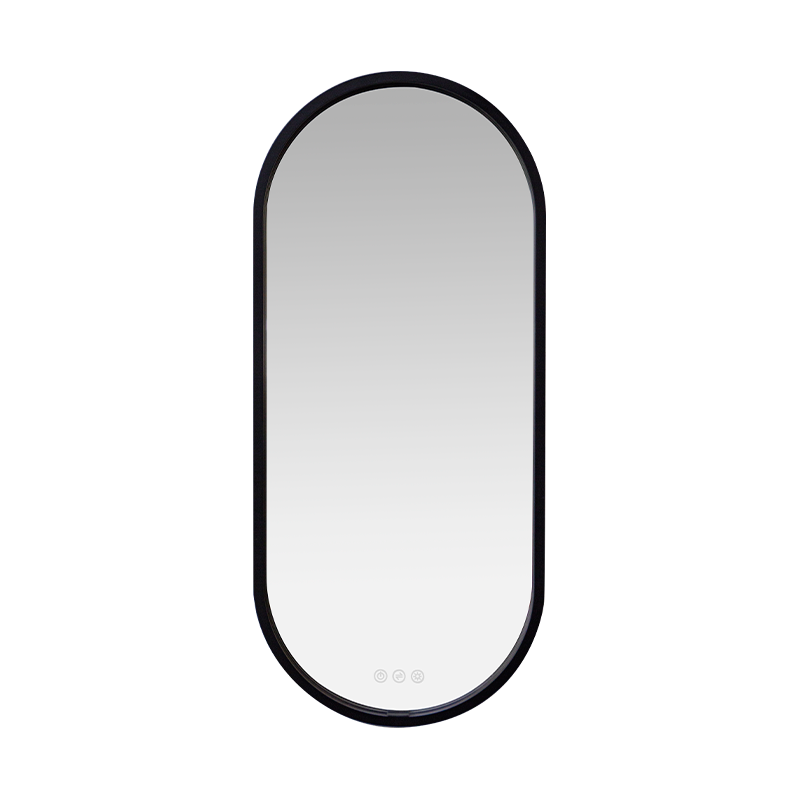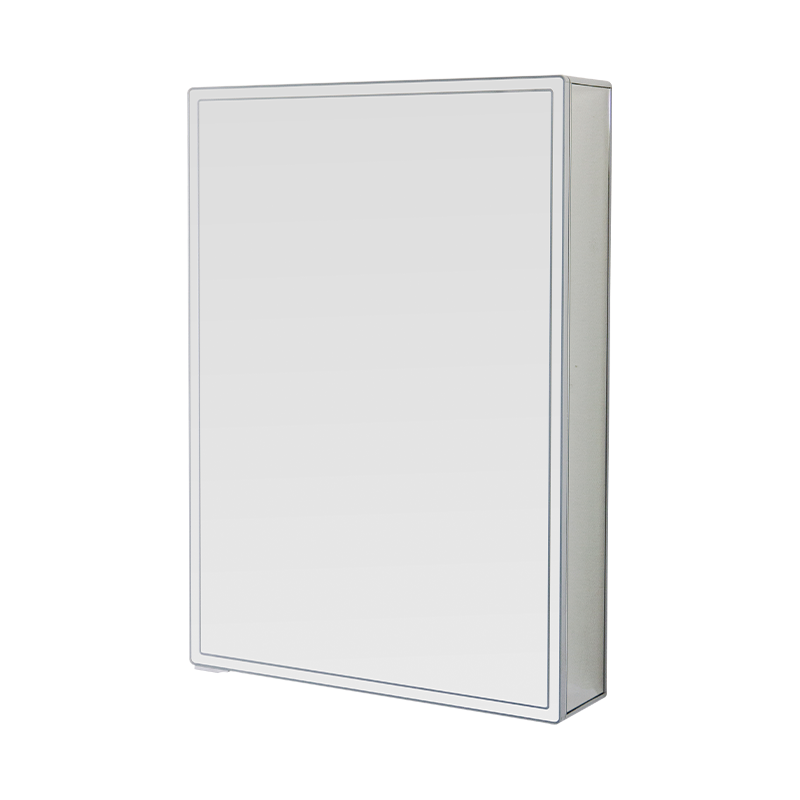

On a recent hotel renovation in Hangzhou, the spec sheet called for 32 backlit mirrors rated IP44, CRI 90+, and 4000K neutral white. The buyer rejected two factory samples before one supplier met all three conditions. The lesson is simple: in LED illuminated bathroom mirror sourcing, the real risk sits in performance details that a product photo cannot show. This article answers the practical questions a procurement manager, contractor, or importer should ask before placing an order.
For manufacturers and project buyers, the useful conversation is not which mirror looks best, but which combination of light output, defogging coverage, and water resistance fits the site and the budget. The answers below use standard test conditions and specification limits common in the bathroom mirror industry.
What to Verify First in an LED Illuminated Bathroom Mirror
Verify light output and color rendering before you look at the frame material or the brand name on the box. LED illuminated bathroom mirrors are described by five parameters: total lumens, CRI, color temperature, IP rating, and defogging coverage. In a bathroom where the mirror sits directly over the washbasin, the mirror light must work with or replace the ceiling fixture.
A 60 cm by 80 cm mirror with a 24W LED strip can deliver roughly 2400 lumens, close to a 150W incandescent lamp in usable brightness. CRI, measured from 0 to 100, describes how accurately colors appear under the light. CRI 90 or higher is the baseline for a quality mirror. Below CRI 80, skin tones and tile grout start to look flat and slightly gray.
 Smart Dimmable Backlit Bathroom Mirror with DefoggingThis backlit mirror combines a high-definition copper-free silver mirror with a built-in heating film for defogging. Its adjustable LED brightness ensures uniform lighting for makeup and shaving, making it suitable for bathrooms, hotels, and salons.View Product →
Key Specifications That Define an LED Illuminated Bathroom Mirror
Every tendered mirror carries specification ranges. The table below shows the values that matter in a commercial or wholesale order.
| Parameter | Typical Range | Why It Matters |
| CRI | 90 or above | Accurate skin tones and natural finish reproduction |
| Color temperature | 3000K to 6500K | Matches vanity, ambient, and inspection needs |
| IP rating | IP44 | Resists splash and condensation in washbasin zones |
| LED lifespan | 50,000 hours | Equivalent to more than 10 years of daily use |
| Defogging area | 60% to 80% of surface | Prevents condensation across the main viewing zone |
| Driver type | Constant current with protection | Prevents flicker and premature LED failure |
A mirror with CRI 80 at 3000K may look pleasant in a showroom, but on site it can distort paint colors during a handover inspection. The combination of high CRI, adjustable color temperature, and a protected driver is what separates a decorative product from a functional bathroom lighting fixture.
Defogging, Dimming and Smart Controls: What Actually Matters
Defogging is the feature most often specified and least often verified. An LED illuminated bathroom mirror with defogging uses a heating film on the back of the glass. The film covers roughly the central 60% to 80% of the surface and draws an additional 20W to 30W when it runs. Buyers should check the defogging area on the engineer drawing, not in a photo, because the film does not cover the full mirror.
Dimming in a quality mirror runs through a constant-current driver with PWM or 0-10V dimming. A simple resistor cuts brightness and causes visible color shift. Smart controls such as touch sensors, hand-swipe switches, and remote adjustment add convenience, but every extra electronic component raises failure risk in a steam-rich environment.
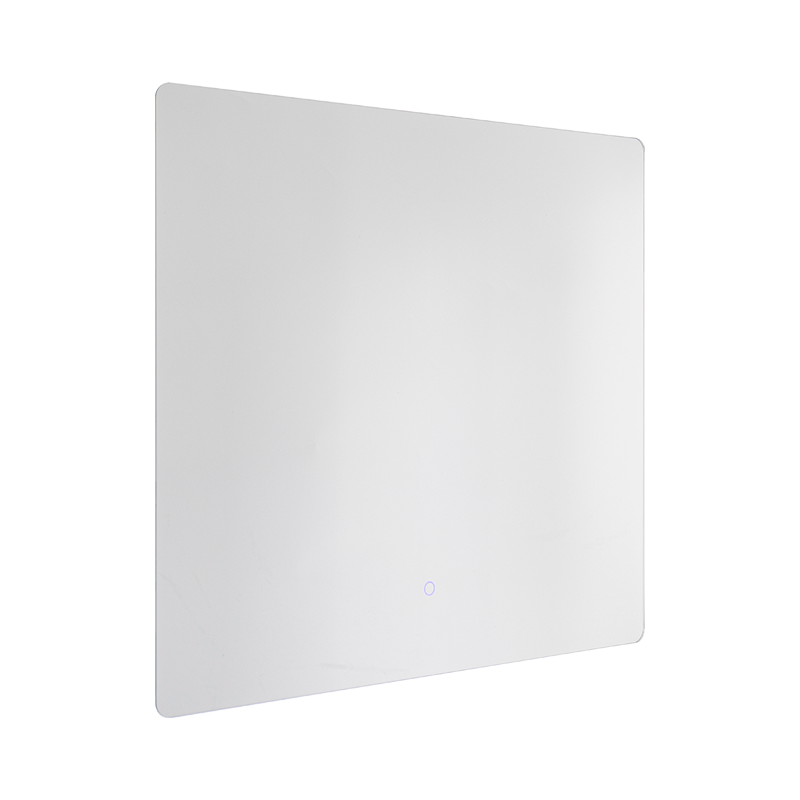 LED Smart Defogging Bathroom Mirror with Touch ControlA sensor-activated LED mirror that heats its surface to prevent condensation. Designed for humid environments, it offers uniform backlighting, multiple control options, and a moisture-proof coating, providing clear reflection and easy operation.View Product →
IP Ratings and Safety for Damp Bathroom Environments
IP44 is the minimum safe rating for a mirror installed above a washbasin. IP stands for Ingress Protection. The first digit covers solid particles; the second covers water. IP44 resists solids above 1mm and water splashes from any direction. For a bathroom mirror, this rating is suitable for zone 2 and the area outside the splash zone above a basin. If a mirror faces direct shower spray, IP65 may be required, but that is rare for surface-mounted models.
- Ask for over-current and thermal protection records in the LED driver
- Check the cable entry seal and grommet at the mirror back
- Confirm the defogging film runs on low-voltage DC
- Verify the IP rating applies to the complete assembled mirror, not just the LED strip
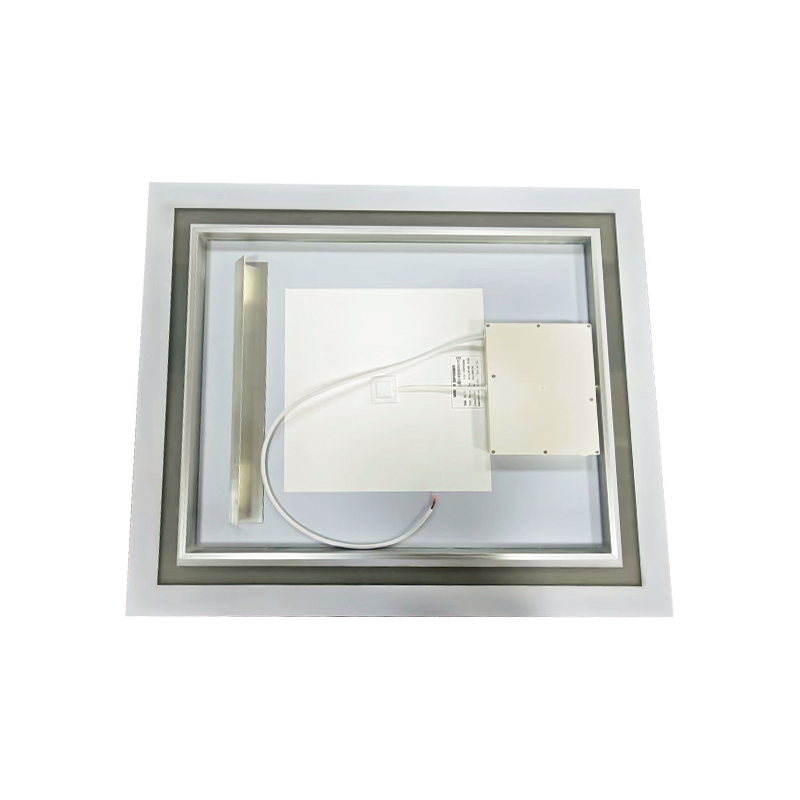 Aluminum Frame LED Dimmable Defogging Bathroom MirrorThis framed mirror features an aluminum alloy border and an anti-fog heating film. Its dimmable LEDs deliver even illumination, while the copper-free silver mirror ensures distortion-free imaging. Ideal for bathrooms and commercial spaces requiring reliable performance.View Product →
OEM and ODM Options for Wholesale and Project Buyers
OEM and ODM buyers should lock the electrical specification before the visual style. An order in the LED illuminated mirror category usually starts with a visual reference: a frame shape, an edge glow, a certain color temperature. A manufacturer can reproduce the look, but long-term reliability comes from the driver selection, the anti-fog film coverage, and compliance with the destination market's electrical standards.
Mirrors exported to Europe normally require CE certification. Orders to the United States often need UL or ETL listings. Zhejiang Langpu Electric Technology Co., Ltd. builds the aluminum frame, the LED strip, and the mirror control system in one factory, which shortens the design-to-sample cycle for custom work.
What to include in your request for quotation
- Target market voltage: 220V/50Hz or 110V/60Hz
- Mirror size, glass thickness, and frame profile
- Color temperature range and dimming method
- IP rating and defogging film coverage
- Packing requirements: five-layer carton or honeycomb protection
How to Choose a Manufacturer That Can Deliver at Scale
Capacity, quality control, and shipping experience decide whether a supplier can handle a project order, not the product catalog. Langpu Electric operates a 40,000 square meter factory with over 200 employees, including 10 engineers. The in-house team handles LED drivers, mirror coatings, and aluminum frame extrusion, which matters when a client needs a different wire length, a custom backlight, or a special frame profile.
Request a sample first, test it against the specification, and ask for current test records. The surge test, the insulation resistance test, and the defogging film resistance measurement decide long-term performance. Compare suppliers on those numbers, and reference this anti-fog LED mirror buyer guide when validating claims.
FAQ
How long do LED illuminated bathroom mirrors last?
A quality LED strip with a constant-current driver is rated for approximately 50,000 hours. That is roughly 10 to 12 years of daily use in a residential bathroom, and slightly less in a hotel where the mirror runs for many hours per day.
Can an LED bathroom mirror be installed in a shower area?
A mirror with IP44 can be installed in bathroom zone 2 and outside the splash zone above a basin. For direct shower exposure, a higher rating such as IP65 is required. Ask the supplier for the IP certificate that covers the complete assembled mirror.
What is the best color temperature for a bathroom mirror?
A neutral 4000K is the most common choice for grooming and makeup because it renders skin tones with minimal distortion. Mirrors with adjustable 3000K to 6500K color temperature give users the flexibility to switch between warm ambient light and bright task light.
Why do some LED mirrors flicker?
Flicker is usually caused by a low-quality LED driver, insufficient capacitance, or voltage instability. A constant-current driver with a power factor correction circuit and over-current protection prevents the problem.