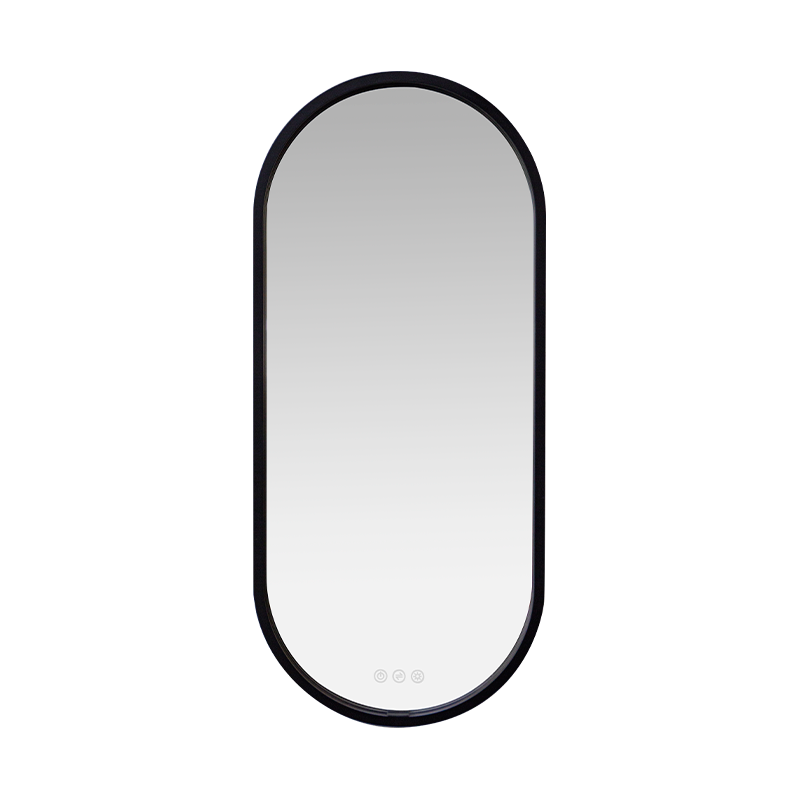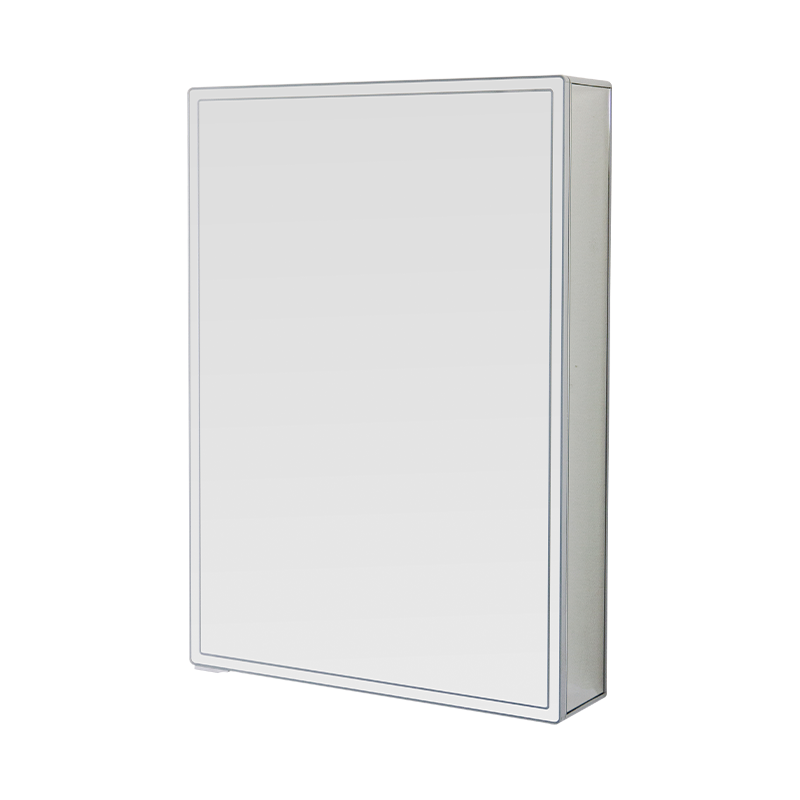

When a guest steps into a luxury hotel bathroom, the mirror is often the first surface that catches the eye. It has to do more than reflect. It needs to deliver even, flattering light, stay clear after a long hot shower, and feel deliberate in every detail. A luxury hotel bathroom mirror with LED has moved from a design accent to a practical standard, and choosing the right one depends on lighting quality, anti-fog performance, materials, and how all of these behave under continuous guest use.
Why a Luxury Hotel Bathroom Mirror with LED Is Now the Standard
For hotel designers and procurement teams, the bathroom mirror sits at the intersection of aesthetics and function. A standard mirror paired with wall sconces or ceiling downlights tends to cast shadows across the face, and those fixtures require their own switches, wiring, and maintenance. An LED mirror solves this by integrating illumination directly into the mirror assembly.
The conclusion first: for most hotel projects, an LED mirror is the more reliable choice because it combines even illumination, anti-fog capability, and a clean, flush look in a single fixture. It removes the need for extra vanity lighting, shortens installation time, and leaves the maintenance team with fewer components to inspect and repair.
A few functional points matter more than others in hospitality settings. The light source must render skin tones accurately. The glass must resist fogging for the full duration of a guest shower. And the controls must be intuitive enough that no guest ever has to search for a switch. In a luxury property, these are not optional upgrades; they are baseline expectations.
LED Lighting Specifications That Matter for Hotel Bathrooms
Lighting quality decides whether a mirror feels flattering or harsh. Three specifications define that experience: color temperature, color rendering, and dimming range.
Color Temperature
Color temperature describes whether light appears warm or cool, measured in kelvins. In hotel bathrooms, 3000K-4000K works best: warm enough to feel welcoming, neutral enough for accurate grooming. Many hotel-grade mirrors offer adjustable color modes, which lets guests choose the ambience while housekeeping presets a default that matches the property's lighting plan.
Color Rendering Index
CRI measures how faithfully a light source reveals the true colors of objects. Anything below 90 starts to distort skin tones, makeup shades, and even the white of a towel. For a luxury hotel bathroom mirror with LED, a CRI of 90 or higher is the sensible threshold, particularly when the bathroom doubles as a dressing area. For specifiers, the practical test is simple: shine the mirror light on a fabric swatch or on skin and compare it with daylight. If the tones look off, the CRI is too low, no matter what the datasheet claims.
Brightness and Dimming
Brightness, expressed in lumens, determines whether the mirror can act as the primary vanity light. A typical backlit mirror above a single vanity should provide comfortable, glare-free output, with a diffuser that spreads light evenly edge to edge. Dimmable output extends practicality: bright light for makeup in the morning, a soft glow for a late-night shower. A useful rule of thumb is to select a mirror whose light output matches the wattage of the vanity fixture it replaces; uneven light with visible LED hotspots feels cheap regardless of how polished the frame looks.
| Specification | Recommended Range | Why It Matters in a Hotel |
|---|---|---|
| Color temperature | 3000K-4000K | Warm to neutral light supports both guest comfort and grooming accuracy |
| CRI | 90 or above | Accurate color rendering for skin tone, makeup, and interior finishes |
| Brightness | Sufficient for primary vanity lighting | Removes reliance on separate wall or ceiling fixtures |
| Dimming range | 10%-100% | Adapts to daytime grooming and nighttime ambience |
| Ingress protection | IP44 or higher | Protects electrical components from steam and splash in bathroom zones |
For teams comparing options, the details on brightness, color temperature, and CRI in LED mirrors can help align internal specifications before samples are evaluated.
When the goal is a slim backlit profile with adjustable light, an LED smart dimmable backlit bathroom mirror covers both brightness control and color tuning in a single vanity fixture.
Anti-Fog Performance and Durability Under Daily Guest Use
The second non-negotiable for a hotel bathroom mirror is anti-fog performance. Guests expect the mirror to be clear when they step out of the shower, not three minutes later. Condensation forms when warm, humid air meets a cooler glass surface. An anti-fog mirror prevents this by warming the glass so that it stays close to the surrounding air temperature, and moisture never condenses on the reflective surface.
How well this works depends on the heating element and its control. A uniform heating layer clears the entire mirror face, while a poorly distributed film leaves foggy patches. The heating circuit must also handle repeated on-and-off cycles across hundreds of guest stays without degrading. That is why construction details, such as a waterproof backing, sealed edges, and a protected LED driver, matter as much as the glass itself.
Materials play a major role in long-term reliability. Aluminum frames resist corrosion better than plastic alternatives in wet environments. An ingress protection rating of IP44 or higher tells facility teams that the internal electronics are shielded from splash and steam in bathroom zone 2 areas. Water ingress deserves attention during procurement: mirrors above a washbasin or beside a shower are routinely exposed to steam and stray splashes, and a sealed edge with a damp-rated driver housing prevents the most common failure modes, including flickering LEDs, corroded terminals, and premature driver burnout.
In practice, a built-in defogging function saves time on site. A LED smart dimming defogging backlit bathroom mirror integrates the heater directly into the mirror assembly, so there is no separate pad to install, no added wall wiring, and fewer components for maintenance teams to service later.
Smart Controls and Memory Settings for Guest Convenience
A luxury mirror should respond without instructions. Traditional push buttons wear out, collect grime, and look out of place on a polished glass surface. Modern hotel mirrors use three main control types: touch switches, hand-swipe sensors, and magnetic switches.
Touch switches activate when a finger contacts a marked sensing area on the glass, which is simple, familiar, and easy for guests to discover. Hand-swipe sensors turn the light or defogger on and off with a wave, a useful feature when hands are wet. Magnetic switches are operated with a small external magnet, eliminating any hole through the glass and simplifying waterproofing. All three approaches reduce mechanical wear because they contain no moving parts.
Memory dimming is a smaller detail with a noticeable effect on the guest experience. If a guest prefers bright lighting for makeup one evening, the mirror holds that brightness for the next use. If another guest wants a dim glow for a late shower, that setting stays in place. For hotel operators, offering this level of personalized control in a room fixture signals attention to detail without adding equipment.
The overall effect is that the mirror becomes part of the room's lighting system rather than a standalone accessory. The same principles behind how a smart LED mirror light improves your bathroom carry directly into hospitality design: better light, simpler operation, and fewer maintenance points.
Sourcing Considerations for Hotel Projects
When procurement teams evaluate a luxury hotel bathroom mirror with LED, they are not buying a single unit; they are committing to a specification that may be repeated across dozens or hundreds of rooms. That changes the evaluation criteria.
OEM and ODM Flexibility
Hotels rarely install off-the-shelf mirrors without adjustments. Custom sizes, logos, switch types, frame finishes, and packaging inserts are common requests. A manufacturer with OEM and ODM experience can adapt existing mirror models to the project's requirements rather than forcing a standard product into a non-standard opening.
Certifications and Quality Systems
Electrical products destined for hotel bathrooms must meet the safety and performance standards of the destination market. Beyond product-level approvals, an audit of the factory's quality management system, such as ISO9001, gives buyers confidence that batch-to-batch consistency will hold across large orders.
Sample Evaluation and Lead Times
Specifications on paper only tell part of the story. Verify CRI with a handheld meter, measure defogging time with a steam test, and confirm that brightness levels match the vanity dimensions. Also ask about lead times and export packaging, because glass products need substantial protection to arrive intact.
One efficient way to shortlist suppliers is to examine the range of mirrors already in production. A catalog that includes both backlit and defogging variants in multiple frame options indicates the factory has solved the engineering problems that emerge in wet environments. The aluminum-frame LED smart dimming defogging backlit bathroom mirror is an example of a single unit that combines corrosion resistance, adjustable light, and anti-fog function, which reduces the number of separate specifications a project team has to manage.
For a broader checklist of what to verify before ordering, the buyer guide for backlit anti-fog bathroom mirrors walks through the critical inspection points in more detail.
Selecting With the End User in Mind
A luxury hotel bathroom mirror with LED succeeds when guests do not have to think about it. The light is even, the glass stays clear, and the controls behave as expected. That outcome is achieved through deliberate specification: high CRI and the right color temperature, a defogging layer that keeps the entire surface clear, and materials robust enough for years of daily use in a humid environment.
For specifiers, the practical route is clear. Define the lighting performance thresholds first, then check anti-fog and ingress protection, and finally review control options and the supplier's customization capability. When those elements line up, the mirror stops being a component and becomes part of the experience a guest remembers, and that is exactly what luxury hotels are selling.