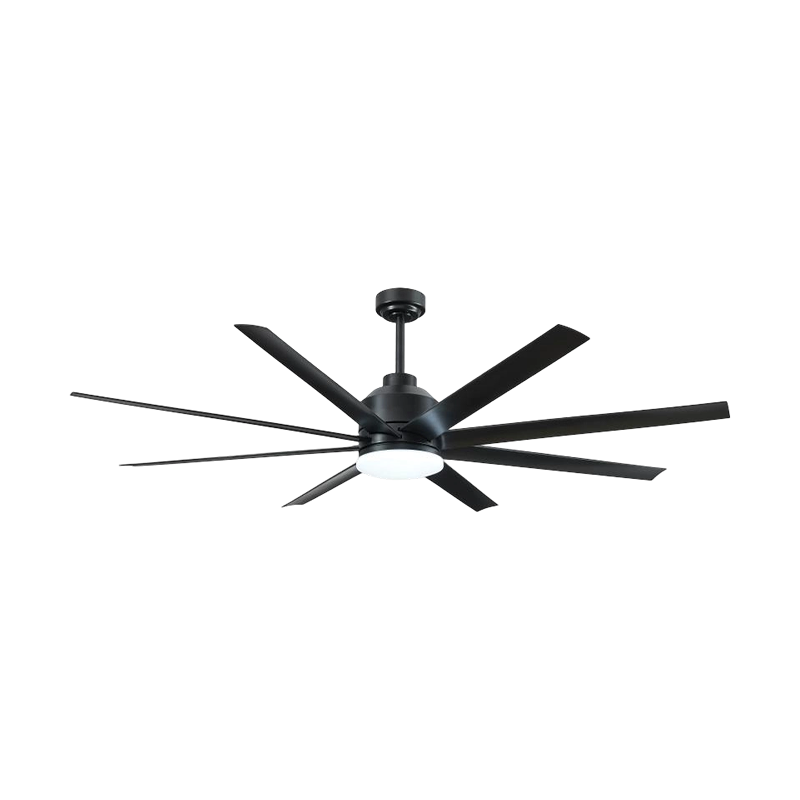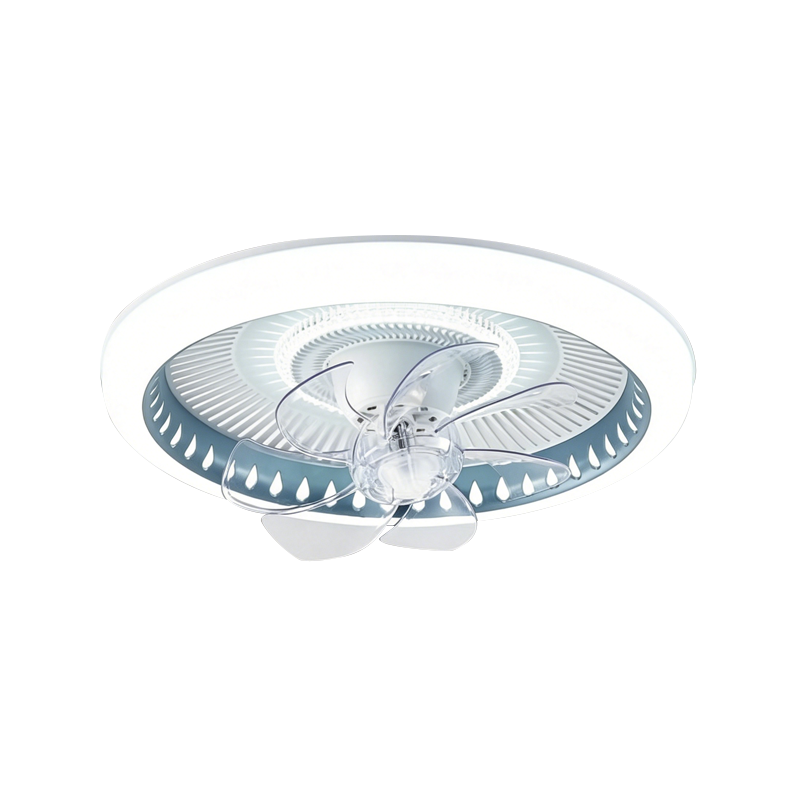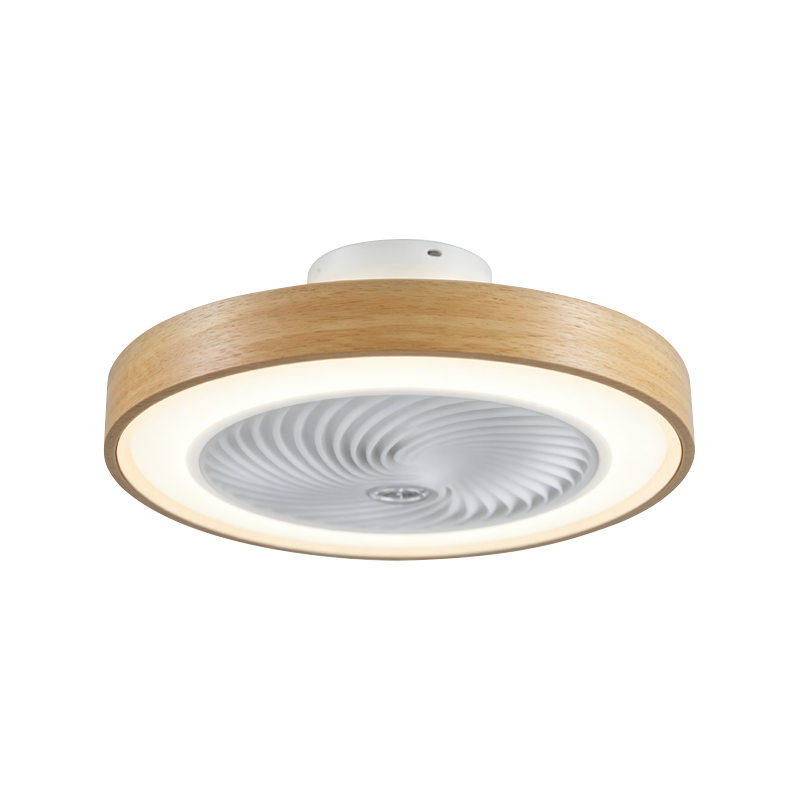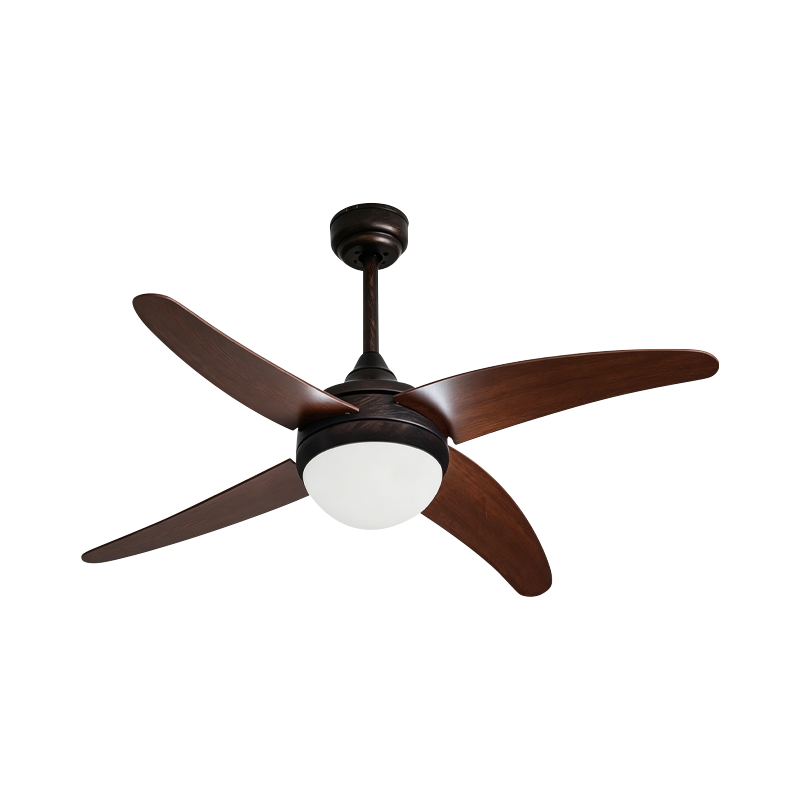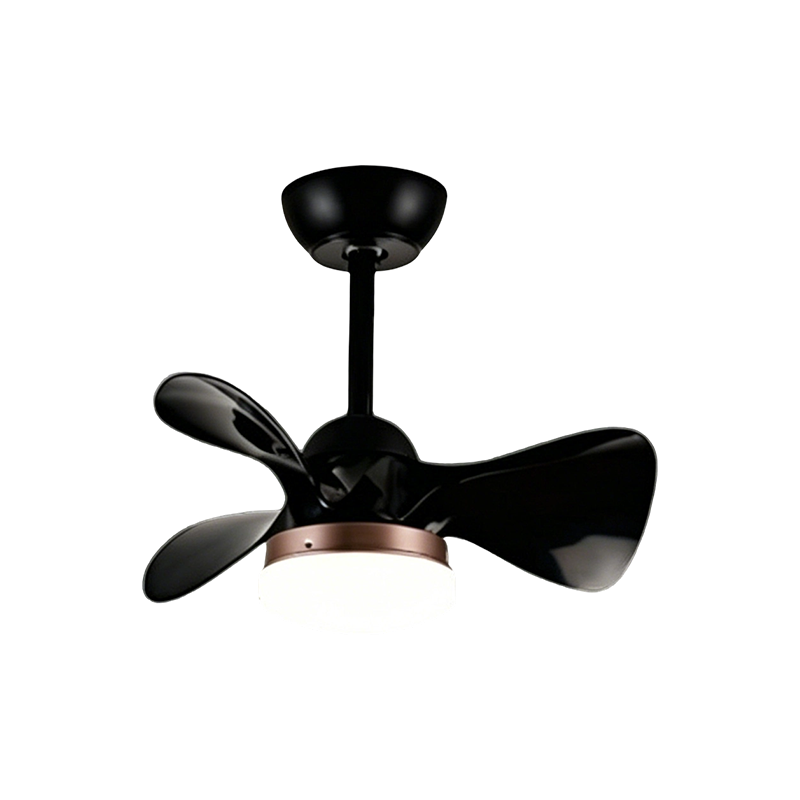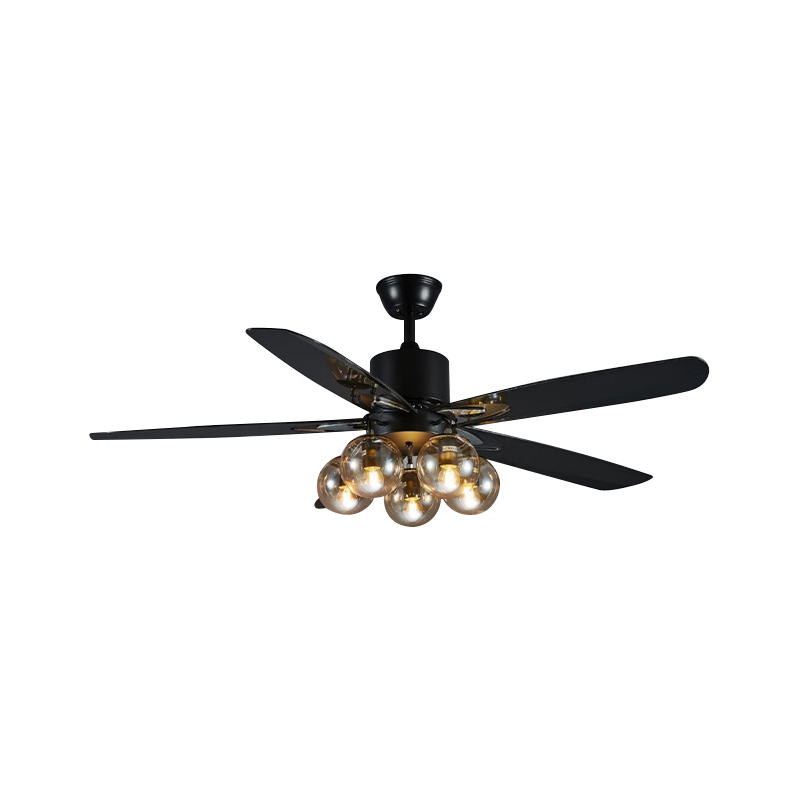

The best Smart Ceiling Fan with Light and Remote for most rooms combines a DC motor rated under 35 watts on high speed, a blade span matched to the room size between 36 and 56 inches, and an integrated LED panel between 1500 and 2500 lumens controlled through both a remote and a smartphone app. A DC motor unit using around 25 watts at full speed consumes roughly 70 percent less electricity than a comparable AC motor fan rated at 75 watts, which over a typical 8 hour daily use period can save approximately 45 kilowatt hours per month per fan.
How to Choose a Smart Ceiling Fan
Selecting a smart ceiling fan with light and remote function involves checking compatibility across three systems at once, the fan motor, the lighting unit, and the control network, since mismatches between these can lead to features that do not work together as expected.
| Mounting height | Standard rod mounts suit ceilings above 9 feet, while flush mount or hugger styles are needed for ceilings around 8 feet to maintain at least 7 feet of blade clearance from the floor |
| Control compatibility | Confirm whether the fan uses a dedicated app, a hub based system such as Zigbee, or direct WiFi connection, since hub based units may require additional hardware |
| Voice assistant support | Check whether the fan integrates with common voice platforms directly or only through a third party bridge, which can add a noticeable delay to voice commands |
| Remote and app overlap | Some units allow the physical remote and app to control the fan simultaneously, while others disable the remote once the app is paired, which affects households with multiple users |
Control Options Available on Smart Fans
The range of control options is one of the main differences between a basic ceiling fan and a smart model, and the practical value of each option depends on how the room is used day to day.
- App based scheduling allows the fan and light to switch on and off at set times, useful for reducing energy use in rooms occupied only during specific hours such as home offices.
- Speed memory function retains the last used fan speed and light brightness after a power interruption, avoiding the need to reset preferences after every outage.
- Reverse rotation mode, available on most smart fans, can be toggled remotely for seasonal use, pulling warm air down in winter and creating a cooling breeze in summer.
- Sleep timers built into many smart fan apps allow the fan speed to gradually reduce over a set period, often between 30 minutes and 2 hours, which is commonly used in bedrooms.
- Group control lets multiple fans in open plan areas be adjusted together from a single app screen, keeping speed and lighting consistent across connected units.
Motor Efficiency in Smart Ceiling Fans
Motor type has the largest single impact on running cost and noise level, and this is an area where smart fans often differ significantly from traditional models even at similar price points.
Typically uses 15 to 35 watts across speed settings, operates with noise levels often below 40 decibels on medium speed, and commonly offers 6 or more speed steps for finer airflow adjustment.
Typically uses 50 to 75 watts on high speed, usually limited to 3 speed settings, and tends to run at 45 to 55 decibels depending on blade balance and bearing quality.
For a fan operated 6 hours per day, the difference between a 25 watt DC motor and a 65 watt AC motor adds up to roughly 7.2 kilowatt hours per month, which becomes a measurable difference across a home with 4 or more ceiling fans installed.
What Affects Airflow Performance
Airflow output, measured in cubic feet per minute, depends on more than blade count, and several design factors influence how much air a fan moves at a given speed and power draw.
- Blade pitch angle, typically between 12 and 15 degrees, has a direct effect on airflow, with steeper angles moving more air but requiring slightly more motor power to maintain speed.
- Blade span affects coverage area more than blade count, with a 52 inch fan generally moving more air across a room than a 42 inch fan even with the same number of blades.
- Airflow efficiency, often expressed as cubic feet per minute per watt, allows comparison between models, with efficient DC fans reaching above 75 cubic feet per minute per watt compared to 35 to 45 for many AC models.
- Ceiling height affects perceived airflow, since a fan mounted too close to a high ceiling can lose 10 to 20 percent of its effective downward airflow compared to the optimal mounting distance of 8 to 9 feet from the floor.
Matching Fan Size to Room Dimensions
Blade span should be selected based on room area rather than ceiling height alone, since an undersized fan in a large room will struggle to circulate air effectively even on its highest setting.
| Up to 75 square feet | Blade span of 29 to 36 inches, suitable for small bedrooms, home offices, or breakfast nooks |
| 76 to 144 square feet | Blade span of 42 to 48 inches, suitable for standard bedrooms and dining areas |
| 145 to 225 square feet | Blade span of 52 to 56 inches, suitable for larger living rooms and master bedrooms |
| Over 225 square feet | Blade span above 56 inches, or multiple fans installed to maintain even airflow across the space |
Choosing a fan one size larger than the minimum recommended for the room area generally allows it to run at a lower speed setting for the same airflow, which reduces both noise output and motor wear over extended daily use.