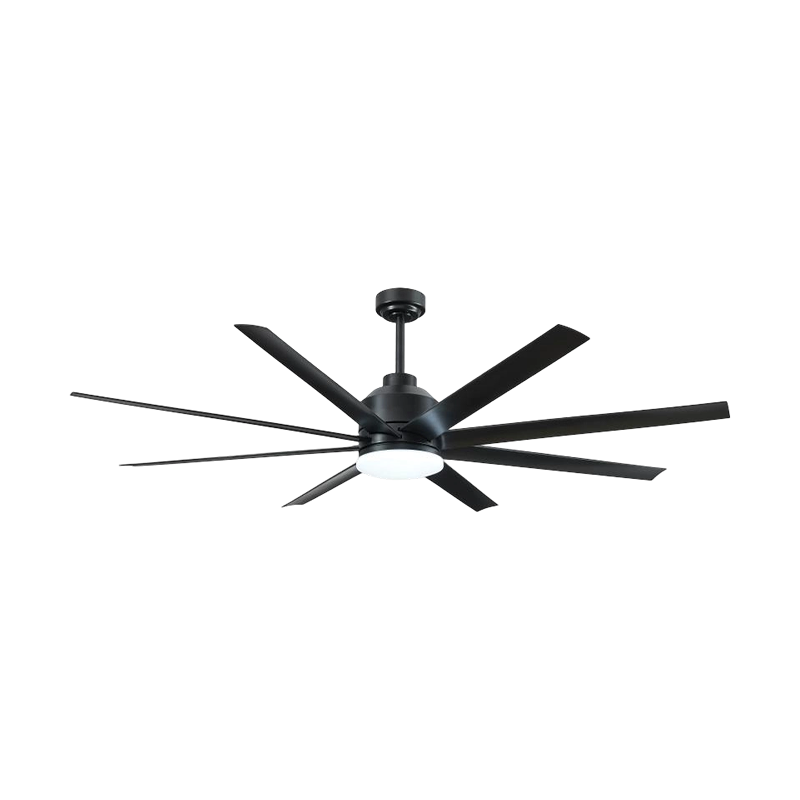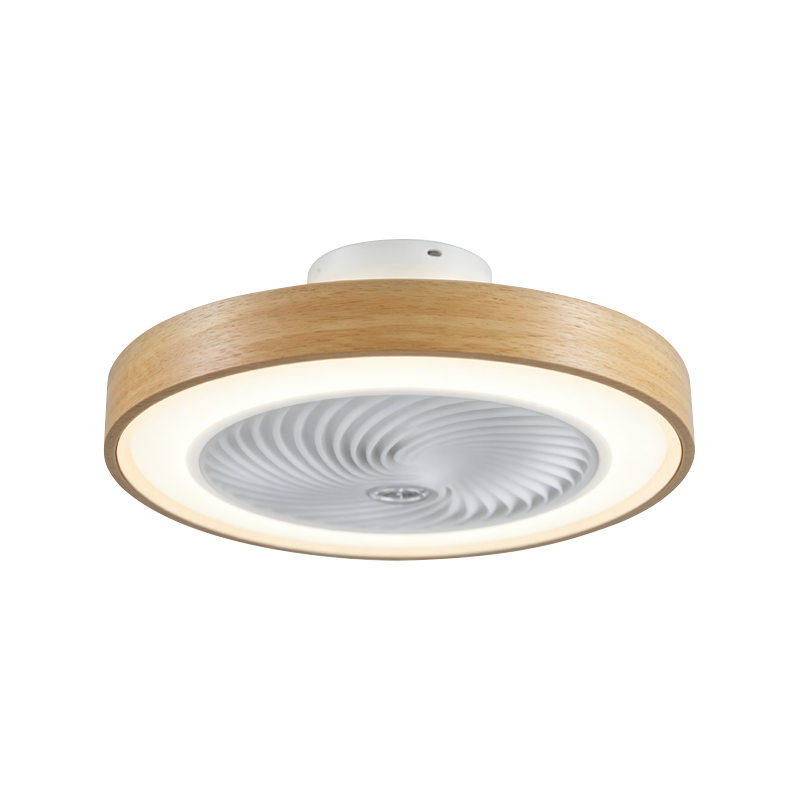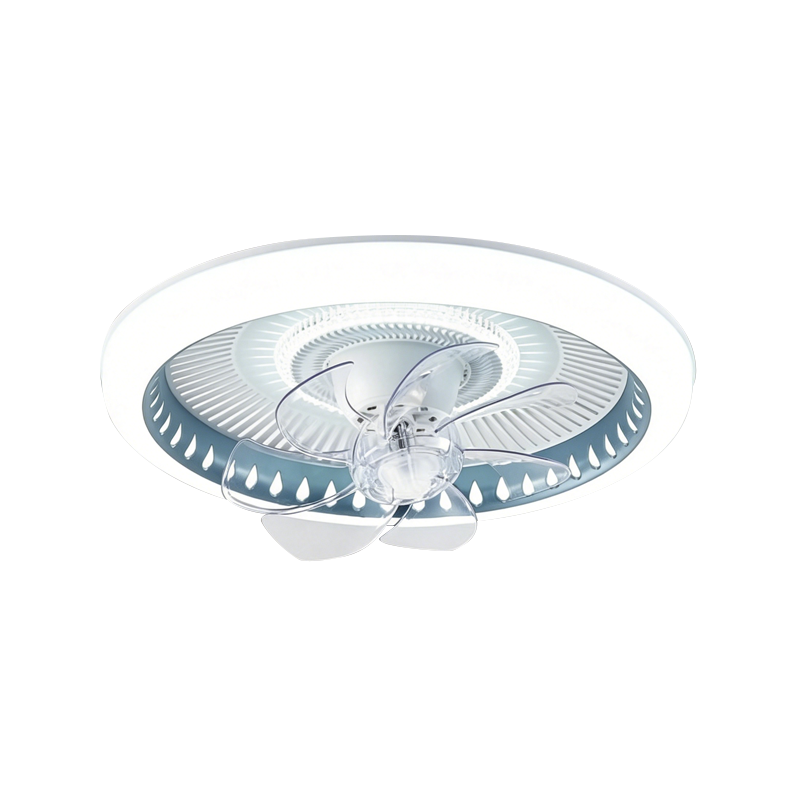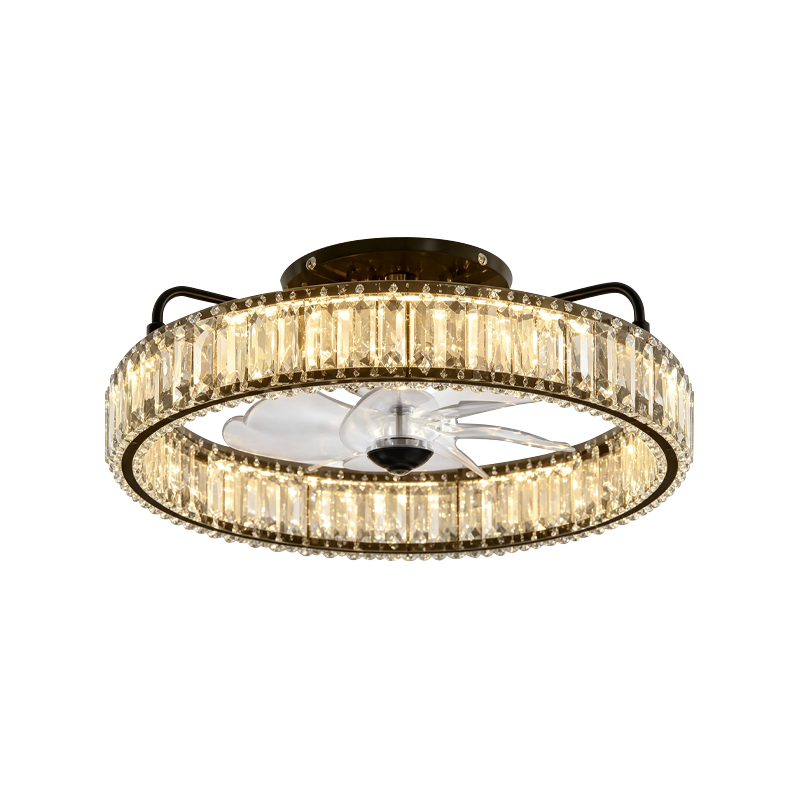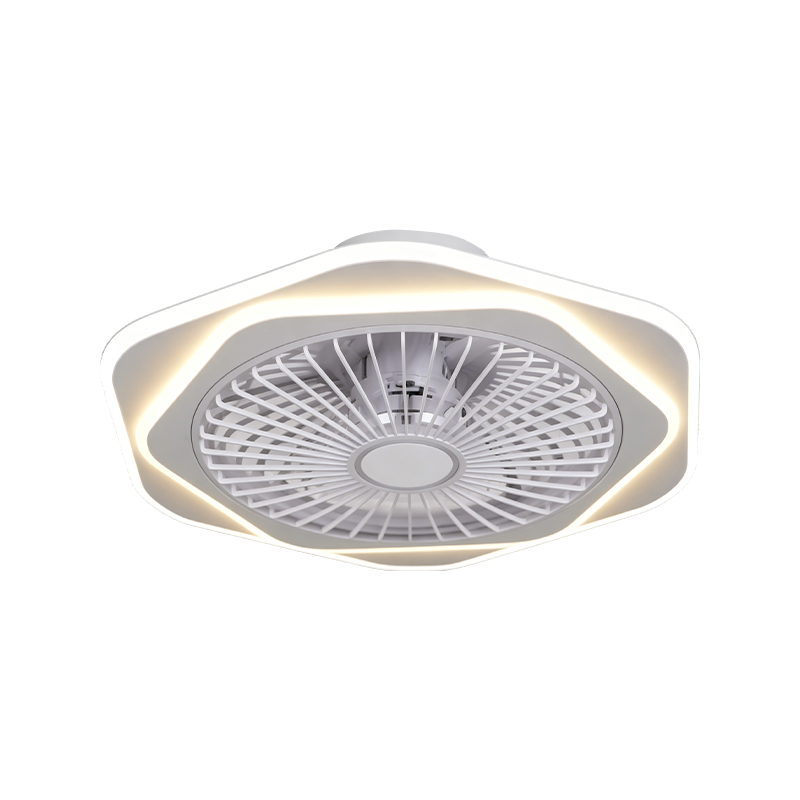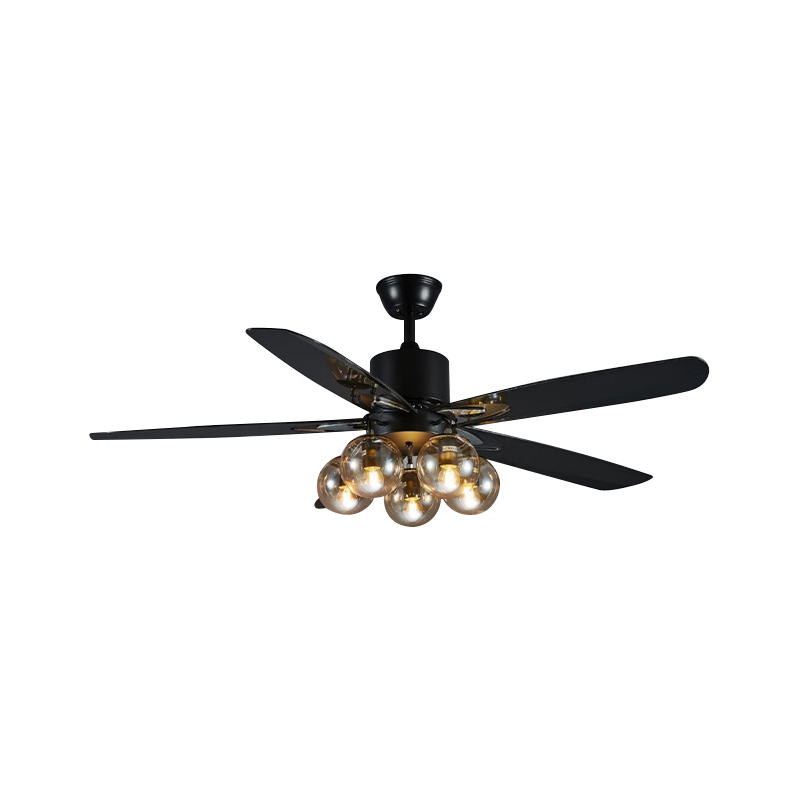

There is something undeniably charming about a traditional ceiling fan lamp. It evokes memories of lazy summer afternoons, the gentle whir of blades overhead, and a warm glow that makes any room feel like home. But beyond nostalgia, these fixtures are marvels of functional design — combining air circulation and illumination in a single, elegant package. This guide explores what traditional ceiling fan lamps are, how they work, the different styles available, and what to consider when choosing one for your space.
What Is a Traditional Ceiling Fan Lamp?
A traditional ceiling fan lamp is a ceiling-mounted fixture that combines a fan with an integrated light source, designed in a classic or vintage style. These fixtures typically feature ornate details, wood or metal blades, and decorative light fixtures that complement traditional interior design aesthetics traditional ceiling fan lamp.
Unlike modern minimalist designs, traditional ceiling fan lamps often incorporate elements like antique brass or bronze finishes, carved wood accents, and frosted glass shades. They are intended to be both functional and decorative, serving as a focal point in a room while providing essential airflow and lighting.
A Brief History of Ceiling Fan Lamps
The ceiling fan as we know it has a long and interesting history. The first electric ceiling fan was invented in the 1880s by Philip Diehl, who adapted the motor from a sewing machine. Early fans were purely functional — they moved air and nothing else.
The addition of lighting came later, as manufacturers realized that a ceiling fixture could serve a dual purpose. By the early 20th century, ceiling fans with integrated lights became popular in homes, hotels, and public buildings. The "traditional" style we recognize today — with wooden blades, decorative metalwork, and elegant light fixtures — emerged during this period and remained popular through the mid-century.
While modern designs have evolved dramatically, traditional ceiling fan lamps have retained their appeal. They are often chosen for their timeless aesthetic, craftsmanship, and ability to complement classic interior styles like Victorian, Colonial, and Craftsman.
How a Traditional Ceiling Fan Lamp Works
The operation of a traditional ceiling fan lamp is straightforward yet involves several components working together:
- Power Supply: The fixture connects to your home's electrical wiring. It typically has separate circuits for the fan motor and the light, allowing each to be controlled independently.
- Motor Operation: The fan motor drives the blades, creating airflow. Most traditional fans use a capacitor-start motor, which is quiet and reliable.
- Speed Control: Speed is usually controlled by pull chains or wall switches. Many traditional fans have multiple speed settings to adjust airflow.
- Lighting: The light fixture — often a central light kit or multiple lights — is wired separately. It uses standard bulbs or, in newer models, energy-efficient LED bulbs.
- Blade Rotation: The blades spin in a direction that pushes air downward (for cooling) or upward (for circulating warm air in winter). A reversing switch on the fan body changes the direction.
Key Components and Their Functions
Understanding the parts of a traditional ceiling fan lamp helps you appreciate its design and functionality:
| Component | Function in Plain Language |
|---|---|
| Motor | The powerhouse that drives the blades. Traditional fans typically use robust, long-lasting motors. |
| Blades | Usually made of wood (often carved or stained) or metal with decorative finishes. They move air to create a cooling breeze. |
| Blade Arms | Metal brackets that attach the blades to the motor housing, often featuring ornate scrollwork. |
| Motor Housing | The central casing that encloses the motor, often finished in brass, bronze, or aged metal. |
| Light Kit | Attached below the motor, this holds the light bulbs and often features decorative glass shades. |
| Pull Chains | Control the fan speed and lights individually. Many traditional fans use two chains: one for fan operation and one for lighting. |
| Canopy | The decorative cover that hides the ceiling mounting bracket and wiring connections. |
Styles and Design Variations
Traditional ceiling fan lamps come in several distinct styles:
| Style | Key Characteristics | Best For |
|---|---|---|
| Victorian | Ornate metalwork, intricate scroll designs, antique finishes, decorative glass shades, often with antique brass or bronze details | Homes with Victorian, Gothic, or formal traditional décor |
| Craftsman | Clean lines, mission-style details, natural wood tones, often with stained glass or amber shades | Craftsman, Arts and Crafts, or bungalow-style homes |
| Colonial | Classic and symmetrical designs, dark wood blades, often with simple glass globes | Colonial, Federal, and traditional American homes |
| Tropical (Rattan) | Wicker or bamboo elements, warm wood tones, island-inspired design, often with woven shades | Coastal, tropical, or resort-style interiors |
| Rustic | Distressed finishes, wrought iron details, barn wood aesthetics, often with exposed bulbs | Farmhouse, rustic, or lodge-style homes |
Materials Used in Traditional Ceiling Fan Lamps
The choice of materials affects both appearance and durability:
| Material | Characteristics | Common Applications |
|---|---|---|
| Wood (Oak, Mahogany, Teak) | Warm, natural appearance; can be stained or painted; absorbs sound | Blades, motor housing accents, decorative elements |
| Brass | Classic, elegant; available in polished or antique finishes; durable | Motor housing, blade arms, canopy, light fixtures |
| Bronze | Rich, warm tone; often oil-rubbed; develops patina over time | Motor housing, blade arms, decorative hardware |
| Iron | Sturdy, rustic; often in wrought iron designs; heavy-duty | Decorative arms, rustic-style housings |
| Glass (Frosted, Clear, Stained) | Allows light diffusion; adds decorative element; various colors available | Light shades, globes, lantern elements |
Technical Specifications Explained
When evaluating a traditional ceiling fan lamp, these specifications matter:
| Specification | Plain-Language Meaning |
|---|---|
| Blade Span (Diameter) | The total width of the fan from blade tip to blade tip. Common sizes: 42", 52", 56", and 60". Larger rooms need larger fans. |
| Blade Pitch (Angle) | The angle of the blades relative to horizontal, typically 12 to 15 degrees. Steeper blades move more air. |
| Motor Size | Often measured in the motor's magnetic diameter (e.g., 153mm, 188mm). Larger motors are stronger and quieter. |
| Airflow (CFM) | Cubic feet per minute of air moved. Higher CFM means more cooling power. |
| Light Output (Lumens) | Total visible light emitted. Higher lumens = brighter light. |
| Number of Blades | Typically 4 to 6 blades. More blades can mean quieter operation and different aesthetics, but not necessarily more airflow. |
Traditional vs. Modern Ceiling Fan Lamps
Traditional and modern ceiling fan lamps serve the same basic purpose but differ significantly in design philosophy:
| Aspect | Traditional Ceiling Fan Lamp | Modern Ceiling Fan Lamp |
|---|---|---|
| Design Aesthetic | Ornate, decorative, classic, often with vintage-inspired details | Minimalist, sleek, clean lines, often with metallic finishes |
| Blade Design | Often wood with visible grain; decorative shapes; sometimes carved | Metal, plastic, or composite; often uniform and streamlined |
| Lighting Style | Warm, diffused; often uses glass shades or globes | Often uses LED technology; may have integrated lighting with no visible bulbs |
| Control | Typically pull chains, sometimes wall switches | Remote controls, smart home integration, wall controls |
| Materials | Wood, brass, bronze, glass, wrought iron | Steel, aluminum, plastic, matte finishes, glass |
| Placement | Often focal points in living rooms, dining rooms, and bedrooms | Often used in contemporary, modern, and transitional spaces |
Choosing the Right Size and Placement
Selecting the correct size ensures optimal performance and aesthetics:
- Room Size: For rooms up to 75 square feet (e.g., small bedrooms), a 42-inch fan is suitable. For 75-144 square feet (standard bedrooms), 52 inches is recommended. For 144-225 square feet (living rooms), 56 inches is appropriate. For larger spaces (225+ square feet), choose 60 inches or larger.
- Ceiling Height: Standard ceilings (8-9 feet) require flush-mount or standard downrod mounting. Higher ceilings (10+ feet) need a longer downrod to position the fan at the optimal height (8-9 feet from the floor).
- Blade Clearance: Blades should be at least 18 inches from walls and 7 feet from the floor for safety and efficient airflow.
- Centering: Place the fan in the center of the room for best air circulation, or centered over a seating or dining area.
Installation and Safety Considerations
Installing a traditional ceiling fan lamp requires attention to safety and building codes:
- Electrical Box: Ensure the ceiling electrical box is rated for fan support (typically marked "Fan Rated"). Standard light fixture boxes are not strong enough.
- Wiring: Professional installation is recommended unless you have electrical experience. Follow the manufacturer's wiring diagram carefully.
- Balancing: An unbalanced fan can wobble and create noise. Use a balancing kit if the fan is not stable after installation.
- Blade Height: Blades should be at least 7 feet above the floor to prevent accidents, especially in rooms where people might reach up.
- Light Bulbs: Use bulbs with the correct wattage as specified by the manufacturer to avoid overheating.
Maintenance and Care Tips
Proper maintenance keeps your traditional ceiling fan lamp looking beautiful and operating efficiently:
- Regular Dusting: Dust blades and the motor housing weekly using a soft cloth or a ceiling fan duster. Dust buildup can unbalance the fan and reduce airflow.
- Deep Cleaning: Periodically wipe the blades with a mild cleaner suitable for the material (wood polish for wood blades, glass cleaner for glass shades).
- Check Connections: Every few months, check that all screws and blades are tight. Vibration can loosen fasteners over time.
- Lubrication: Most modern fans are sealed and do not require oiling. Check the manual for specific maintenance needs.
- Light Bulb Replacement: Replace bulbs as needed, ensuring you use the correct type and wattage.
- Seasonal Reversal: Change the fan's direction seasonally. In summer, the fan should spin counterclockwise (pushing air down). In winter, it should spin clockwise (pulling air up) to circulate warm air trapped near the ceiling.
Common Misconceptions and Interesting Facts
Misconception 1: Traditional ceiling fans are outdated and inefficient.
Reality: Many traditional fans now come with energy-efficient DC motors and LED lighting. They can be just as efficient as modern designs while offering timeless aesthetics.
Misconception 2: More blades mean more airflow.
Reality: Airflow is determined more by blade pitch, motor power, and blade design than the number of blades. A 4-blade fan with steep pitch can move more air than a 6-blade fan with a shallow pitch.
Interesting Fact: Ceiling fans can reduce heating costs.
In winter, reversing the fan to spin clockwise (at low speed) gently pushes warm air trapped near the ceiling down to the living area. This can reduce heating costs by up to 10%.
Interesting Fact: The first ceiling fan was not electric.
Before electricity, ceiling fans were powered by water or steam engines. The first electric ceiling fan was invented by Philip Diehl in 1882, using a motor adapted from a sewing machine traditional ceiling fan lamp.
Why Traditional Ceiling Fan Lamps Matter
Traditional ceiling fan lamps represent more than just a way to cool a room or provide light. They are a testament to enduring design principles that prioritize both form and function. Their classic aesthetics add character and warmth to spaces, creating a sense of permanence and quality that mass-produced modern fixtures often lack.
Moreover, they offer practical benefits that remain as relevant today as they were a century ago — energy-efficient air circulation, supplemental lighting, and the ability to reduce reliance on air conditioning. In an era of disposable design, traditional ceiling fan lamps remind us that thoughtful craftsmanship and timeless style have lasting value traditional ceiling fan lamp.
Key Takeaway
The traditional ceiling fan lamp is a perfect blend of classic design and practical functionality. Whether you are drawn to Victorian elegance, Craftsman simplicity, or rustic charm, there is a traditional fan lamp to suit your style. Understanding the components, sizes, materials, and installation requirements helps you make an informed choice — one that will provide comfort, beauty, and enjoyment for years to come.
As you consider your next ceiling fixture, remember that the traditional ceiling fan lamp is not just a fan with a light. It is a piece of living history, a functional work of art, and a beloved feature of homes around the world.
Frequently Asked Questions
What is a traditional ceiling fan lamp?
A traditional ceiling fan lamp is a ceiling fixture that combines a fan with an integrated light source, featuring classic design elements such as wood blades, ornate metalwork, and decorative glass shades, typically in styles like Victorian, Craftsman, or Colonial.
How does a traditional ceiling fan lamp work?
It operates using an electric motor to spin the blades, creating airflow. A separate circuit powers the light fixture. Speed and light are controlled via pull chains, wall switches, or remote controls. A reversing switch allows the blades to rotate in either direction for summer cooling or winter warmth circulation.
What are the different styles of traditional ceiling fan lamps?
Common styles include Victorian (ornate, antique finishes), Craftsman (clean lines, natural wood), Colonial (classic symmetrical design), Tropical (rattan or bamboo elements), and Rustic (distressed finishes, wrought iron).
What size traditional ceiling fan lamp do I need for my room?
For rooms up to 75 sq ft, choose 42 inches; 75-144 sq ft, choose 52 inches; 144-225 sq ft, choose 56 inches; over 225 sq ft, choose 60 inches or larger. Consider ceiling height and blade clearance as well.
Are traditional ceiling fan lamps energy efficient?
Yes, many modern traditional-style fans feature energy-efficient DC motors and LED lighting. They can provide significant energy savings compared to air conditioning and older lighting technologies.
How do I clean a traditional ceiling fan lamp?
Dust blades and housing weekly with a soft cloth or duster. For deeper cleaning, use appropriate cleaners for each material: wood polish for wood blades, glass cleaner for shades, and a mild metal polish for metal components. Always turn off the power before cleaning.
Can I install a traditional ceiling fan lamp myself?
If you have electrical experience and the ceiling box is fan-rated, you can install it yourself. However, professional installation is recommended for safety and to ensure proper wiring, balancing, and code compliance.